The appearance of the Blue Fairy usually means change.
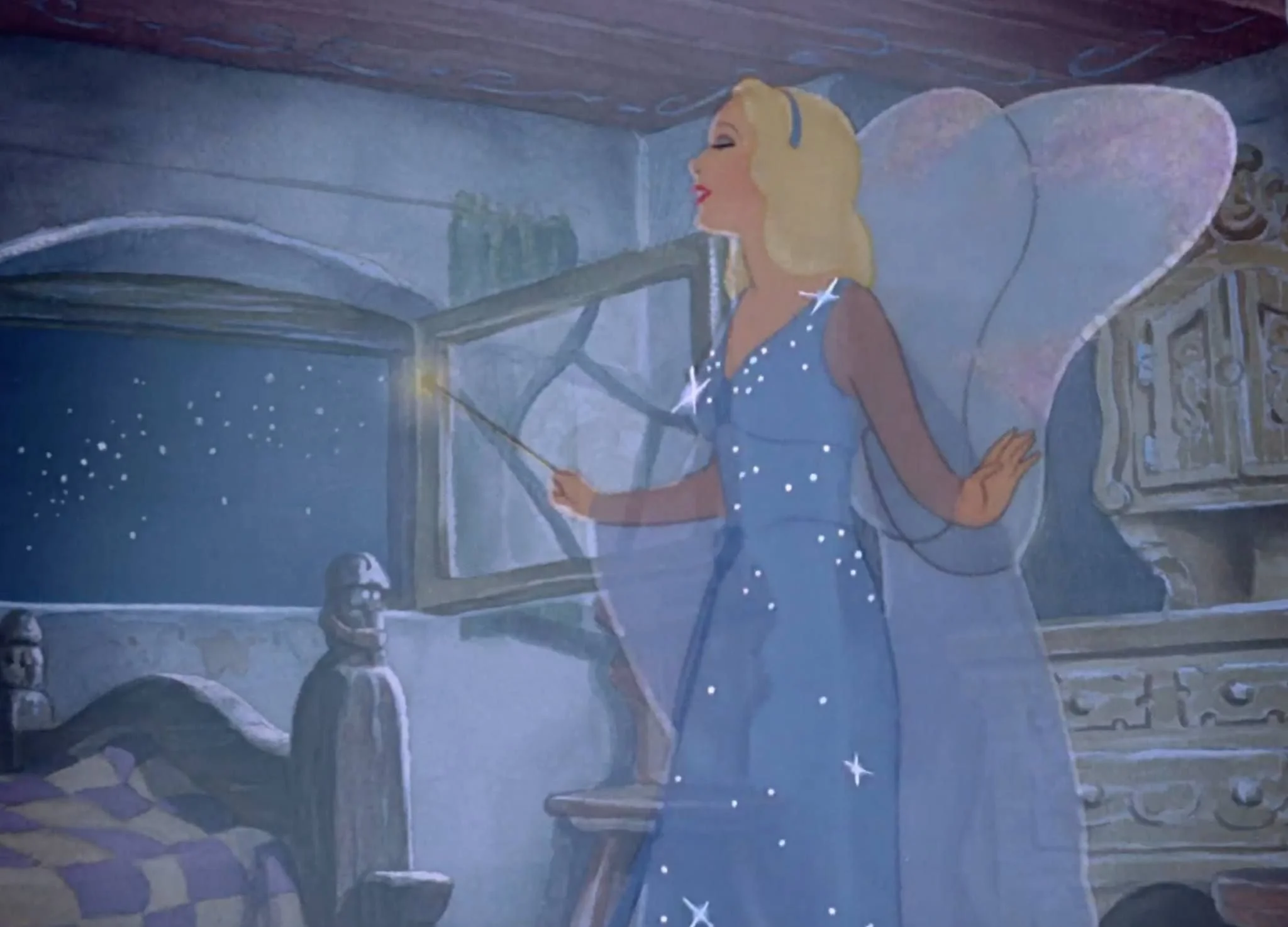
In the original story of Pinocchio, the Blue Fairy is the one who brings transformation. Actually, in the original story she was called the Fairy with Turquoise Hair for obvious reasons, but the Disney version just gave her a blue dress.
A downgrade, in my opinion. Who doesn’t want a fairy with turquoise hair in their corner?
A tangent for another day.
More importantly, every time Pinocchio encountered La Fata dei Capelli Turchini, he became something new or was turned from an unfortunate metamorphosis. For example, when he’s near death she offers him life-saving medicine, which causes nose growth when he lies. When it inevitably does, she summons woodpeckers to get his nose back down to size.
Like most fairy encounters, the results can be mixed.
The only constant with this particular fairy is that she means change is coming. This is no different. I am working on quite a few new writing projects and decided to make it even more hectic by updating my website and blog.
From now on you can find The Fairytale Feminista and Books by I.L. Cruz in one place. I hope all my readers follow me on this new adventure with brand new posts, exciting, original stories and a monthly newsletter for subscribers!
I’m sure you’ve heard the saying, “Write what you know.” Few people interpret that correctly. Especially if what you write is speculative fiction. I’ve never moved through a realm using mirrors. I don’t have the ability to summon up spirits. And believe it or not, becoming a monarch of any kingdom, magical or otherwise, is beyond my lived experience. And yet, these are all things I’ve written about in my series and in short stories.
I’m sure you’ve heard the saying, “Write what you know.” Few people interpret that correctly. Especially if what you write is speculative fiction. I’ve never moved through a realm using mirrors. I don’t have the ability to summon up spirits. And believe it or not, becoming a monarch of any kingdom, magical or otherwise, is beyond my lived experience. And yet, these are all things I’ve written about in my series and in short stories.
“Write what you know” really means, learn. You want to write about an astronaut, learn about astrophysics. A medical thriller? Better find some info about medicine. What if you write fantasy or sci-fi?
Some writers of speculative fiction take the tack of answering any sticky questions by throwing magic at it and some do it well. Some don’t. I prefer (and I know this will sound counterintuitive) to make my magic as realistic as possible. Why? Because
I like to think we’re standing on the hairy edge of seeing all the magic, like stories about being whisked to Faery and as terrifying as that sounds, I’d like to make it happen
The realer it sounds, the more realistic the imaginary world will feel.
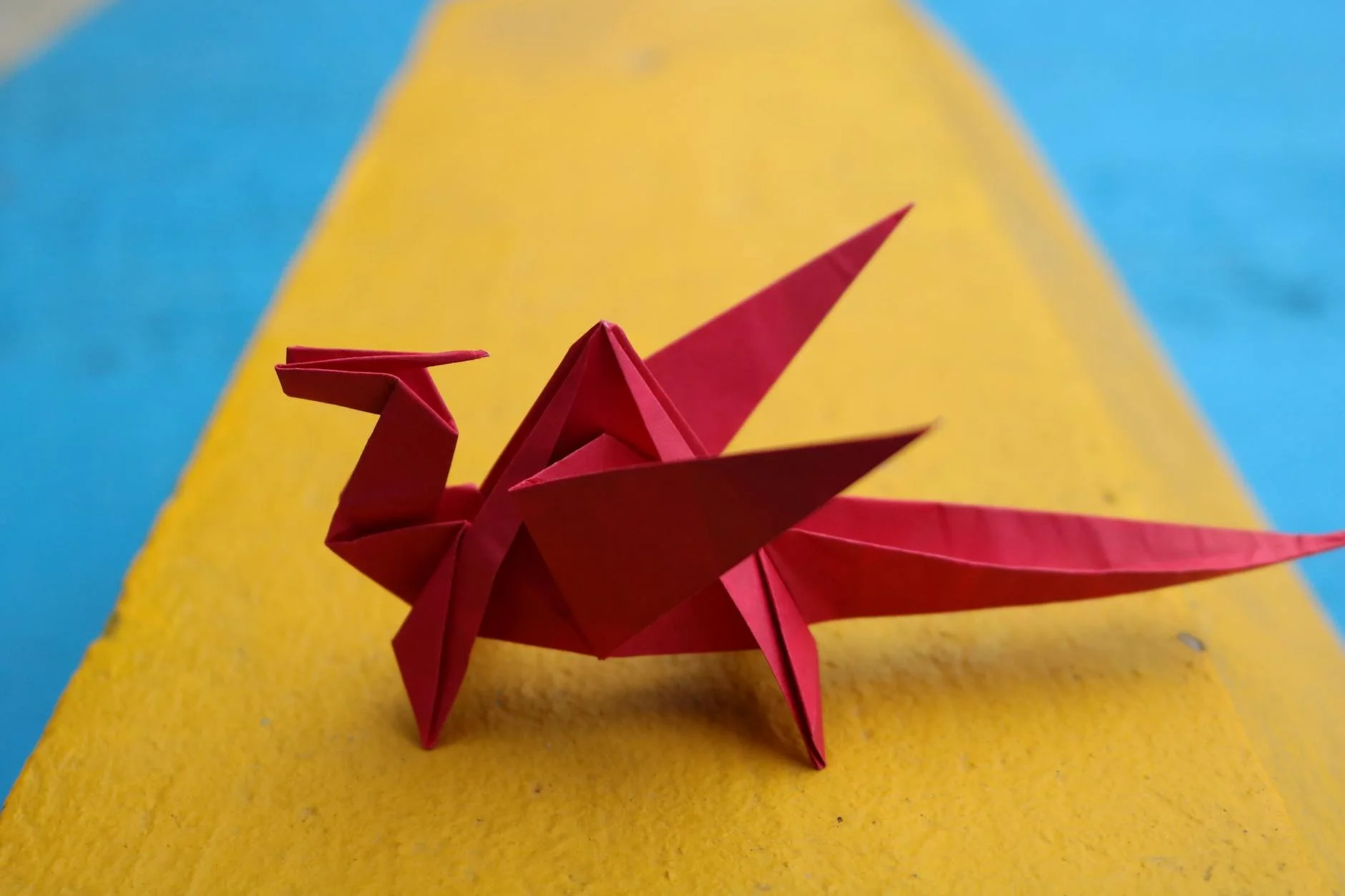
This, however, means I need to make some decisions about my story and “research the periphery.” What do I mean by that? Whatever surrounds your magic should sound as plausible as possible or at least have an explanation for the fantastical. For example, one of my projects involves a dragon shifter. This is not a new concept, but I’ve had issues with regular sized people suddenly growing to colossal proportions.
Where does all that mass come from? Where does it go?
I know plenty of people who are fine with this phenomenon and say, “It’s magic” but I don’t like that answer. It’s like an itch inside my brain.
Instead, I figured out how my character carries extra mass both sub-dermally and skeletally. It’s a small thing, but it made me feel better about the process of shifting. It may never make it into the story, but I know and sometimes, it’s enough.
How about you? Do you like your magic based in reality? Can you “go with the flow”?
Let me start by saying I am, in no way, sporty. I did ballet as a kid, but that was quickly eclipsed by more sedentary pursuits like piano, reading, and the like. However, I know enough about sports to use the above phrase.
Let me start by saying I am, in no way, sporty. I did ballet as a kid, but that was quickly eclipsed by more sedentary pursuits like piano, reading, and the like. However, I know enough about sports to use the above phrase.
In 2024, I finished my series, The Enchanted Path. That I can say I wrote and published a series still blows my mind, by the way. I hope it always does. But when I finished I needed time to think about my next move. In sports, when a team or an individual athlete goes through something big or course corrects, they spend (ideally) a year getting themselves to where they need to be physically and, I assume, mentally. I consider ending a series a big thing. 2025 was my rebuilding year.
I looked through old project I held off on in favor of the series. I had an unexpected new project crop out of a sleepless night. I even tabled a project I realized wasn’t ready to explore. I also took the bold step of working on 3 projects at the same time, writing veteran that I am (she says with a nervous laugh)!
So, 2026 will (fingers-crossed) bring the results of my rebuilding year.
Firstly, a story you may have already been introduced to.
Second, a trilogy with a subject near and dear to me that required unorthodox research.
And the last—she’s special. It required copious notes just to get the rough draft started. A series I hope will be with me as long, if not longer, that my last.
Other changes are in the air, but more on that in later posts.
Do you think writers should have a rebuilding year? Should we have a name for it?
Happy Three Kings Day! ¡Feliz dia de los Reyes para mis hermanas Latinas!
Sometimes I think about how it must have been to be Cinderella. Not the evil step-family and abuse part. Afterward. She met a prince. He married her and brought her back to his palace.
Then what?
It must have been an uncomfortable transition. She went from being a slave to a princess. Did she worry she wasn’t up for the challenge? Did she fall into familiar patterns and start mopping the floor or scouring pots with the scullery maid?
Sometimes I think about how it must have been to be Cinderella. Not the evil step-family and abuse part. Afterward. She met a prince. He married her and brought her back to his palace.
Then what?
It must have been an uncomfortable transition. She went from being a slave to a princess. Did she worry she wasn’t up for the challenge? Did she fall into familiar patterns and start mopping the floor or scouring pots with the scullery maid?
Did she ever take back her original name?
What about the servants? Did they treat her well or did they whisper behind her back that she wasn’t worthy of the role? Help her ease in or play mean tricks?
And she wasn’t the only one. How did Snow White, the Valiant Tailor, or even the boy with the golden goose?
I think about these things when I’m trying something new. A little over a year ago I published the last installment of my Enchanted Path series and since then I’ve worked on 3 different projects to release at least one or two <fingers-crossed> sometime next year. While all are in the fantasy genre, they’re in new subgenres—untried, untested.
I know the correlation isn’t immediately obvious, but each new story feels like a new life as an author. Will it work out? Is this the one that makes a breakthrough? Or will the metaphorical servants put me in my place? That sounds melodramatic, but it makes it no less true.
Late last year I finished my 4 book series and now I’ve been working on a new project ever since. Actually, I’m working on 3 projects at the same time. Because of that, I conceived of Summer Shorts—posts that are short and sweet (which is what I always hope summer will be, but in my area it tends to drag on).
Late last year I finished my 4 book series and now I’ve been working on a new project ever since. Actually, I’m working on 3 projects at the same time. Because of that, I conceived of Summer Shorts—posts that are short and sweet (which is what I always hope summer will be, but in my area it tends to drag on).
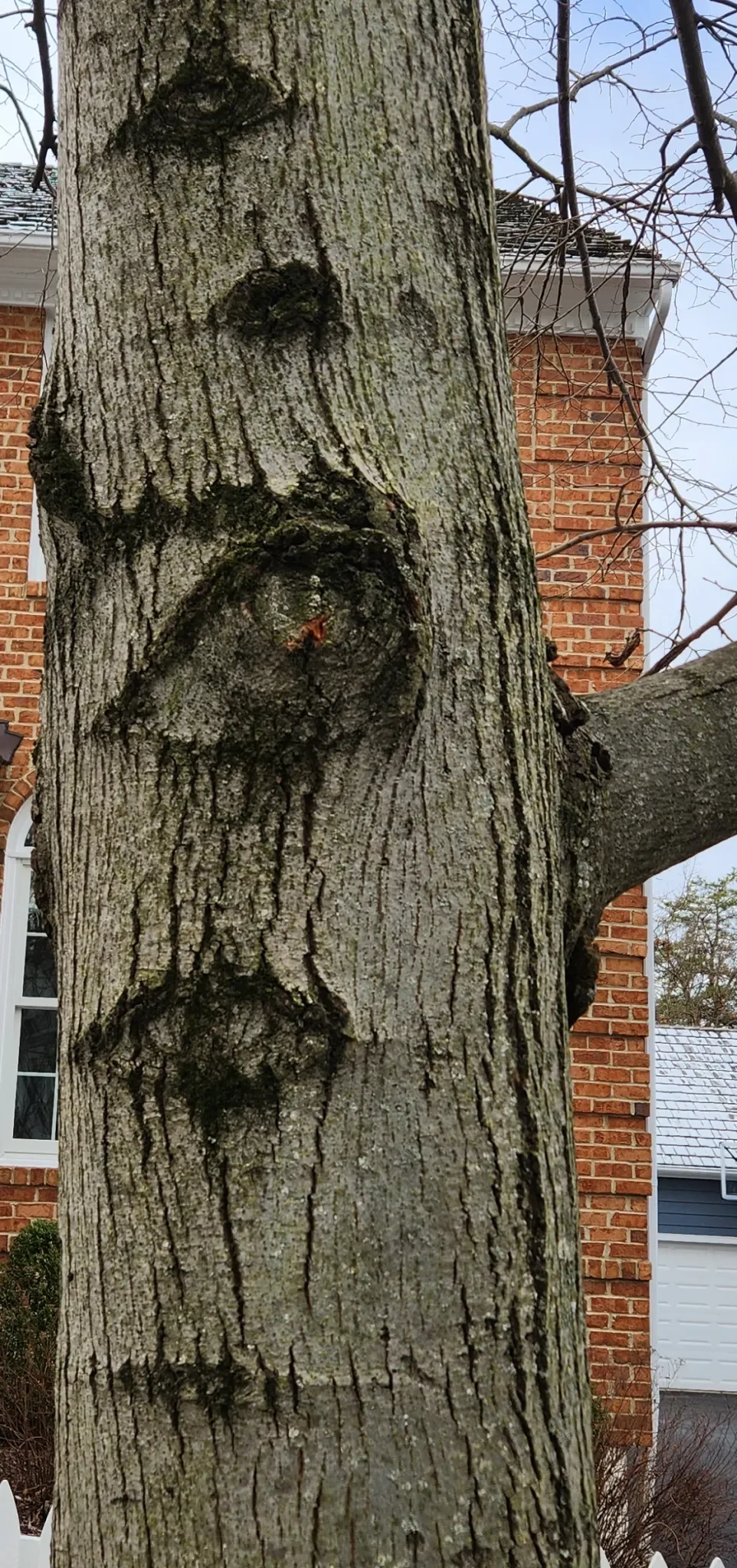
I like the idea of Mary's garden being full of the random. It reminds me of writing. People tend to ask where ideas come from and I want to say silver bells and cockle shells and marigolds all in a row. It wouldn't be far from the truth. An item that seems out of place. A coincidence that bears noting. A tree that has eyes. They all lead to wonder, which leads to a story.
Are you a writer? Are your ideas set or are they more ethereal?
When I finally decided that I was a writer, I read every piece of writerly advice I could get my hands on. Overwhelmingly, writers, professional writers, advised writing every day. For hours. And while I wished that advice worked for me, I decided on a different approach.
Don’t write every day. Or if you do, don’t make it all about “The Project”.
When I finally decided that I was a writer, I read every piece of writerly advice I could get my hands on. Overwhelmingly, writers, professional writers, advised writing every day. For hours. And while I wished that advice worked for me, I decided on a different approach.
Don’t write every day. Or if you do, don’t make it all about “The Project”.
There are days when I’m just itching to write (I blame my many notebooks and addiction to pretty pens), but can’t come up with a single idea for my current novel.
First, don’t panic—it worked for Douglas Adams, it can work for you.
Next, get a “junk journal” which hopefully isn’t ugly—something fun where you can get words on a page that don’t have to mean anything. (Sometimes I use it to write down the lyrics of whatever earworm I woke up with and can’t shake).
Last, give yourself credit for putting pen to paper. That intentional act is a kind of victory considering so much of what we write on a daily basis is disposable and ephemeral—i.e. texting, quick jot emails, or clicking a heart to convey delight.
Too often guilt and shame either keep writers coming back to a page that should be set aside, or conversely away from the page because nothing “worthwhile” is coming to mind.
So my advice—don’t write every day. Doodle. Ramble. On paper. With a pen. No erasing, only cross-outs. You’ll likely surprise yourself with fresh ideas for your Project.
While we have no concrete evidence, it’s safe to assume that the first story told was a warning from one homo sapien to another.
“Hey, in a time before now, I went in that direction with a hunting party and something with teeth and claws ate half of them. Be careful.”
While we have no concrete evidence, it’s safe to assume that the first story told was a warning from one homo sapien to another.
“Hey, in a time before now, I went in that direction with a hunting party and something with teeth and claws ate half of them. Be careful.”
But we are a race of curious adventurers. We’d have to be considering we saw things like lobsters, potatoes and prickly pears and said, “Let’s eat it.” So, of course whoever heard that story went in that very direction and confronted the clawed, toothed animal wanting to know what it was and if he, or she, could have a better outcome. We don’t know the end of that story, but we’re here so more than one somebody survived and continued the race.
Then what about fairy tales? More than a few are warning stories—be careful in the woods, stranger danger—but just as many, if not more, are about behavior. Would Cinderella have gotten a fairy godmother assist if she’d been pill? Could Jack have gotten away with the golden goose and magic harp if he hadn’t done a good turn for a stranger and had a hungry mother at home?
Fairy tales warn and assure us that virtuous behavior will, eventually, be rewarded. It also gives hope to people in dire circumstances that anyone can change their fortunes (and maybe become royalty). It’s an idea that gives me comfort when the world isn’t friendly.
What makes a fairy tale modern? Does it have to be completely original? Is it a traditional story retold with modern sensibilities? Or is there a third option?
Original fairy tales are hard to come by, especially if you agree with the notion that only a set number of stories exist. There are days I believe that (like when I look at the movie landscape full of prequels, sequels and retellings). On good days I know there are new stories—or at least new to me. I haven’t read stories from all the cultures of the world and there are tons.
What makes a fairy tale modern? Does it have to be completely original? Is it a traditional story retold with modern sensibilities? Or is there a third option?
Original fairy tales are hard to come by, especially if you agree with the notion that only a set number of stories exist. There are days I believe that (like when I look at the movie landscape full of prequels, sequels and retellings). On good days I know there are new stories—or at least new to me. I haven’t read stories from all the cultures of the world and there are tons.
Retellings are very popular now. At least half the books in my TBR list are implicitly or explicitly retellings of well-known stories. I know Christmas just past, but my favorite retelling is any movie or TV show that uses A Christmas Carol as a framework.
My Top 3:
A Diva’s Christmas Carol: Love the Behind the Music as a stand-in for the Ghost of Christmas Yet to Come
A Mickey’s Christmas Carol: Great original song
A Muppets Christmas Carol: Piggy is my hero!
Honorable mention for Scrooged, but mostly for Carole Kane
I think a modern fairy tale is all those things—original, undiscovered, retooled and reformed by a deft author—and maybe something I still haven’t thought of yet.
I’ve left my most cumbersome advice for last, and not because it's April Fools'. It seems appropriate considering that’s what a series is… cumbersome. It can be unwieldy and demanding and yes, fun. These are characters that become people to you. They are real and you’ve named every one of them. And they are so important because they made you a writer. Now here’s the tricky part. You have to learn to ignore them.
I’ve left my most cumbersome advice for last, and not because it's April Fools'. It seems appropriate considering that’s what a series is… cumbersome. It can be unwieldy and demanding and yes, fun. These are characters that become people to you. They are real and you’ve named every one of them. And they are so important because they made you a writer. Now here’s the tricky part. You have to learn to ignore them.
<GASP>
Yes, she’s a greedy b*^$# and sometimes she needs to know she’s not the center of the universe. You have other projects (hopefully) and while I was writing my series, tons of ideas for new books, uncomplicated STANDALONE books <sigh> would come to me. I’d write them down and put them in my ideas notebook then get back to the behemoth.
But there were days, sometimes weeks, where I was stuck. It was usually in the editing phase when I needed to connect one scene to another or had to make the difficult decision to cut whole sections. Sometimes the characters were just silent, and I didn’t know how to move forward. So I’d go back to my ideas notebook and start fleshing out one of my completely unrelated stories.
This was hard because I like working on something until it’s done—I’m linear like that (thank you Orb Prophets). But around book 3 I realized there was an end in sight, and I had to have something to write when the series was done. I started purposely ignoring my series in order to further another project. It also helped me deal with the nagging voice in my head that wondered how some of my favorite indie writers release multiple books a year. I don’t think I’m at that level yet, but I have three projects at various states in the writing process that will make it possible for me to release at least one a year. And that’s fine for me.
So the difficult advice to learn this time is, one day your series will end. Have a plan for that day.
Once upon a time there was a box. Within it was contained all the stories of the world. Stories of grit to stir the soul. Stories of ardor to touch the heart. Stories of humor to lighten the load. Stories of tension to quicken the pulse. But the box contained more than just stories.
Once upon a time there was a box. Within it was contained all the stories of the world. Stories of grit to stir the soul. Stories of ardor to touch the heart. Stories of humor to lighten the load. Stories of tension to quicken the pulse. But the box contained more than just stories.
It also contained secrets that inspired creativity and frustration. And sometimes, without warning, the stories disappeared.
Okay, that was my oblique way of describing TV or more specifically, TV shows that end on a cliffhanger and never come back. We’ve all had shows we invested in—let’s call one Pushing Daisies—and one day it just wasn’t there anymore. To be fair, it was after the first writers’ strike and a lot of shows vanished. However, that happens more and more lately. It’s almost like a plot point for a fairy tale.
One day an intrepid woman, maddened by the loss of yet another story found herself drawn to a wonderous thing—a blank notebook. With the lost story still humming in her head, she opened it and, armed with a pen, began to write. With her chosen weapons, she conjured fully formed beings and worlds well-trodden and newly discovered. The power of her imagination was able to do the impossible. She brought the stories back.
The moral of the story is fairy tales come from everywhere and anywhere. When you can’t find one—make one.
If you’re back for more on writing a series, clearly my initial advice didn’t scare you away—i.e. don’t write a series. But we already covered that, so let’s move on.
A series, by definition, has more than three books. A case can be made for saying anything over two books is a series, but trilogies have become so commonplace that I think over three makes more sense. Now, this is going to sound harsh because your stories are like your children. You love them. You nurture them. You give them time and space to grow. Eventually you send them out into the world little by little—those are beta readers—then with more trepidation—that’s your editor. Finally you send them out into the world and hope you’ve done enough to make them ready for it. And you know what? You’re going to have a favorite.
If you’re back for more on writing a series, clearly my initial advice didn’t scare you away—i.e. don’t write a series. But we already covered that, so let’s move on.
A series, by definition, has more than three books. A case can be made for saying anything over two books is a series, but trilogies have become so commonplace that I think over three makes more sense. Now, this is going to sound harsh because your stories are like your children. You love them. You nurture them. You give them time and space to grow. Eventually you send them out into the world little by little—those are beta readers—then with more trepidation—that’s your editor. Finally you send them out into the world and hope you’ve done enough to make them ready for it. And you know what? You’re going to have a favorite.
Yes, I said it. All your precious darlings are not equal no matter how much you’ll tell bloggers and readers and anyone who asks that you had just as much fun writing the first one as you did the last. It’s not true. There will be a favorite and what’s worse, there will be a problem child. If, like me, you decide to write the entire series before editing and publishing, the problem child will demand attention while you’re writing another novel because it refuses to conform. You’ll go back to it over and over again because it’s just not working. There may even be times you consider whether you should keep it in the series.
Here's my advice, which runs counter to most of the advice I’ve seen. Keep your series loose. At least until you send it off for professional editing and publication. Some books will flow out of you. Others will come in fits and starts and then have another fit when you least expect it. Expect it. Sadly, this will require that you write the whole of your series first because the problem child might be the first one, or the second one.
If I had known this ahead of time, I wouldn’t have stressed so much when I realized I had to start the first book all over again—and that wasn’t even my problem child! Hopefully, this saves you a lot of heartache in the long run but honey the run will be LONG!
When I first started my writing life, I was told to start a blog to attract followers to my books. I did so, reluctantly and one of the reasons was I felt I had nothing to offer in the way of expertise. Don’t get me wrong, I know a lot about a lot of things, and I say that without an ounce of conceit. I’m naturally curious and when I want to know about a thing, I research it and study. And yet, I didn’t know what to say to people I didn’t know, who didn’t know me and hadn’t asked me for any advice. That was almost 13 years ago.
When I first started my writing life, I was told to start a blog to attract followers to my books. I did so, reluctantly and one of the reasons was I felt I had nothing to offer in the way of expertise. Don’t get me wrong, I know a lot about a lot of things, and I say that without an ounce of conceit. I’m naturally curious and when I want to know about a thing, I research it and study. And yet, I didn’t know what to say to people I didn’t know, who didn’t know me and hadn’t asked me for any advice. That was almost 13 years ago.
Now I have a few new skills under my belt. I just published the last book in my four-book series as an indie writer and publisher. It doesn’t make me uniquely qualified to give advice on writing a series—plenty of people have written multiple series—but I would like to share some of the insights I’ve learned along the way that I haven’t seen anywhere else.
Firstly, if you want to write a series—DON’T! I mean it. They are a headache for people who already have tons of voices in their head from characters screaming that they want attention, that you didn’t get the right voice, that they would never do that, etc. Now add to that continuity. Charles Dickens is a beloved author, was prolific in his time, only wrote standalone novels and even he lost the thread sometimes. It’s exhausting!
But, if you’re like me, and decided that you can take on a little insanity, here’s my advice. Continuity on your own is daunting. I have a series bible and each of my novels have at least two notebooks full notes, scenes, and chapters and I still sometimes forget the eye color of my main character. To combat this problem, I have one consistent reader who remembers stuff I no longer see because, you know, forest-trees bit. I have other beta readers, but one had made himself in charge of all the things I forget, and he does it by not remembering. We all have beta readers or readers in general who read so closely they know your characters better than you do. What you need is a non-reading reader who will write things in the margins like, “Where did this come from?” or “Can you draw a map or something?” That reader is gold because they come with no baggage and genuinely want to understand the story in front of them. Answering their questions will definitely make the story better.
The obvious answer is—don’t be silly, there’s always more. Between “lost stories” of world cultures and the tons of retellings, I should have plenty to comment on.
The writerly answer is—well, you write your own. An excellent notion except I’m already working on three books at the moment and likely will be until the end of the year.
The tougher answer is—change the topic. Not an easy proposition when your blog is named Fairytale Feminista.
It’s time to cobble together a solution, which I’ve decided is to take some of the stress off my fairy tales and let my writer woes do some of the heavy lifting. In other words, I won't just post fairy tale posts, but also some of my writing journey now that I've started a whole new project.
Just to prove that title applies, I don't think it's the first time I've used it.
I read one of the myriad articles about New Year's resolutions in the last days of 2024. One stuck out for me. The idea was not to make resolutions that you don't want to do--that's homework--but to write down things your want to accomplish. The trick, if it can be called that, if to pick very specific things, write them down, and then put them away until next year. That way you're not berating yourself for not sticking to resolutions or dropping them by March.
Just to prove that title applies, I don't think it's the first time I've used it.
I read one of the myriad articles about New Year's resolutions in the last days of 2024. One stuck out for me. The idea was not to make resolutions that you don't want to do--that's homework--but to write down things your want to accomplish. The trick, if it can be called that, if to pick very specific things, write them down, and then put them away until next year. That way you're not berating yourself for not sticking to resolutions or dropping them by March.
To add to that, at the very end of the year you can document how much you've completed thus giving you a starting point for the next year. That way you see progress and not black and white success or failure.
To that end, here are a few of my professional goals:
Novels: Last year I tried something new--working on more than one project at a time. Now I can move forward with all of them getting closer to finishing at least one.
Marketing: It's time to admit I have a major deficiency and that's marketing! But now that I have a whole series under my belt I'm going to take my work seriously and not feel bad if I decide to outsource that particular chore.
Blog/Website/Social Media: Less of a bane than marketing, but more of an obligation than fiction writing, it's still important. I may not love the time it takes away from the kind of writing I love, but I do love the immediacy of publishing and getting feedback within a few days. I can commit to one fairy tale/folklore/myth etc. post a month and one writerly post a month.
And now I'm putting this post up and forgetting about it (fingers-crossed) until next year and if I ever peek I'll remind myself it's about progress.
The last book in my Enchanted Path series comes out tomorrow and I was interviewed by one of my favorite blogger, Ari Meghlen. Enjoy and while you're at it check out her amazing blog.
Have you come across this demarcation—a description of a novel with peppers to explain how “spicy” the writing gets? It’s a handy indicator.
Have you come across this demarcation—a description of a novel with peppers to explain how “spicy” the writing gets? It’s a handy indicator. If you don’t know, according to farofeb.com:
0 – Cozy, no heat (otherwise called “clean” but that sounds judgy regarding the rest of them)
1 – Low Heat, kisses and some intimation with a fade to black
2 – Smoldering, sexual tension, some spice but not graphic, mild language
3 – Hot, more detailed spice and language
4 – Scorching, very detailed spice, graphic language to describe sexual acts
This is all without venturing into erotica, but sometimes the line between scorching and erotica can be blurry in my opinion. For the record, I don’t mind spice in my reading and sometimes I prefer it because it means it’s likely not a YA book, which I’m currently not interested in.
But that’s not what this post is about. It’s about being a writer when the peppers loom. Some of the people who read books 1 and 2 in my Enchanted Path series didn’t read book 3 and likely won’t read book 4 because of spice. One of the subplots of my series is a growing relationship between the MC and her childhood friend. I’d call it slow burn, but then some readers expect that to happen within one book instead of an entire series. It starts between 0 and 1 then grows over the series to between 3 and 4.
How do I account for this at a time when readers essentially want to know everything they’re getting in a novel? Is this a case of the journey being more important than the destination? Do we really need signposts for a meander? These aren’t textbooks or dictionaries. I read for relaxation and to disconnect with the outside world. Then again being an avid reader, I sometimes count on those quick trope descriptors to save time.
There’s no easy answer. Reading is a personal pursuit and so is how you approach it. In the meantime, I hope those of you who don’t mind 3 or 4 peppers, grab some milk and read A Mage’s Path coming November 30th.
I think all authors have a similar dream. For me it was writing a book followed by a small but vocal readership that would result in a groundswell of readers. It would happen, and this is important, within my lifetime, and I would spend my days going from readings and signings between growing an impressive list. I might also indulge the fantasy that despite not writing mystery novels my life would be very much like Jessica Fletcher’s.
I think all authors have a similar dream. For me it was writing a book followed by a small but vocal readership that would result in a groundswell of readers. It would happen, and this is important, within my lifetime, and I would spend my days going from readings and signings between growing an impressive list. I might also indulge the fantasy that despite not writing mystery novels my life would be very much like Jessica Fletcher’s.
Note that nowhere in that dream do I include, tweeting, posting, snapping, or anything related to social media. I’ve railed about this before, while quietly conforming to the expectations of a 21st century writer. I started a blog. Created a website. Joined Twitter (may it rest in pieces) and now I’ve joined Instagram. I’m sure some of you are thinking I’m a little late to that, but I believe in fashionable tardiness to most parties.
And yet, as I made the account, ilcruzwrites, I asked myself a question. WWJAD--What would Jane Austen do? Or the Grimm Brothers? Or Dickens? Or any well-known author who doesn’t have to worry about followers or likes.
Well, Austen’s fame grew after her death and the success she knew in her lifetime only came because she published anonymously and at her own risk (i.e. indie publishing).
The Grimm Brothers also toiled in obscurity for a time and only gained traction with each subsequent edition that was tweaked each time to appeal to children (i.e. rewrites based on reader notes).
Dickens was famous for holding readings in Europe and North America to widen his audience (the social media of its day).
By Charles A. Barry
And so I continue, indie publishing, getting beta readers, and trying to use social media to market and find that small but dedicated readership that will make my dreams come true.
Now I just have to learn how to use Instagram. Any thoughts?
I decided early in this blog that I wouldn’t apologize for long absences because it was inevitable. Blogging has always been in service of my writing. Don’t get me wrong—I’ve loved interacting with the blogging community I’ve become a part of and I've made wonderful friends. But I also know that when I have a limited amount of time to pursue writing, my fiction gets priority every time. This is all to say, I’ve been away because I’m writing.
I decided early in this blog that I wouldn’t apologize for long absences because it was inevitable. Blogging has always been in service of my writing. Don’t get me wrong—I’ve loved interacting with the blogging community I’ve become a part of and I've made wonderful friends. But I also know that when I have a limited amount of time to pursue writing, my fiction gets priority every time. This is all to say, I’ve been away because I’m writing.
As you are aware (at least that’s the hope because if you're not, I have to up my marketing game), the next book in my Enchanted Path series, A Mage’s Path, will be the last (more on that later). It has taken longer than expected and while I can’t rule out some subconscious aversion on my part to end something that’s been part of my life for over 10 years, I’m really happy to finish it. Right now, the finished manuscript is out with my editor.
Thanks to cover artist, Jack Baker, for his wonderful design
This year I’m trying something new. Instead of focusing all my writing attention on one project, I’m working on three. A Mage’s Path in in final edits. The second novella in my paranormal romance, The Cemetery Circle, is in its second draft phase. And a new book, which will likely be a duology is being “world-built” and outlined.
So, yeah, I’ve been busy.
But I haven’t forgotten about Fairytale Feminista. Fellow blogger, Ari Meghlen, gave me an idea for a new series of posts I hope to write soon. In the meantime, I hope you’ll join me on my writer website and learn more about finishing my first series.
First, let’s address the elephant in the room…or the blog. I’ve been gone for a really long time. It wasn’t intentional, but it was with a good reason. I’ve been working on the last book in my Enchanted Path series and being a final book in a series, it’s become a bit of a bear. More on that in another post. This one is a question I’ve been asking myself while working through (seemingly) endless edits.
Plot Vs. Character—Fairy Edition
First, let’s address the elephant in the room…or the blog. I’ve been gone for a really long time. It wasn’t intentional, but it was with a good reason. I’ve been working on the last book in my Enchanted Path series and being a final book in a series, it’s become a bit of a bear. More on that in another post. This one is a question I’ve been asking myself while working through (seemingly) endless edits.
Plot or Character?
I know people who prefer a story that is character driven—where the plot is solely there to advance the development of the character—and like a deep dive into someone’s (or many someone’s) emotions.
What is he thinking? Courtesy of Cottonbro Studios
Others prefer plot over character where the person (or persons) are a device through which the reader understands what’s happening. As a speculative fiction writer I tend to fall in the latter camp. I start a story with a problem or a situation and then I think about the best and worst people to deal with it.
Courtesy of Suzy Hazelwood
The pitfall of character stories is sometimes nothing actually happens, at least not beyond the character’s mind. On the other hand, when plot of all important, a story can feel more like the Perils of Pauline, jumping from one disaster to another with people you barely know.
As the title of this post suggests, I wanted to look at this through a fairy tale lens. It shouldn’t come as a surprise that fairy tales are plot driven. Sometimes the characters don’t even have names, just titles or occupations. However, those stories are also very good at getting to the point of who the characters are and what they have to overcome. Cinderella is good and in a bad situation. The Wolf is bad and hungry.
Having that spelled out means we can focus on what happens to these characters. If we switched out these characters with other people, other things could happen. Red Riding Hood would likely neglect the chores Cinderella does in favor of exploring the woods. If the Giant from Jack and the Beanstalk were stomping about the woods, he’d likely have ignored the three little pigs or smashed all three houses without a second thought. So, characters do matter in plot driven stories.
Longer fairy tales can be character driven. Alice in Wonderland follows the adventures of one specific girl and her development from bored pupil to a queen. Would the story have taken the path it did if Alice had been Snow White or even an older Alice? A lot of the story depends on Alice being who she is at a particular time in her life.
Would an adult just drink it? Courtesy of Naele Souza
I don’t know if any story can be called plot or character driven. A good story has both concepts playing with or against each other. Maybe it’s more a writer thing than a reader one. As a reader I hope to lose myself in a story with relatable characters and a plot that holds my interest. As a writer only one or the other starts a project.
How about you? Do you think character or plot is more important? Do you think there should be a distinction?
It's the end of Hispanic Heritage Month in the states and I have a confession to make.
I am a Latin American woman and I don't like magical realism.
It's the end of Hispanic Heritage Month in the states and I have a confession to make.
I am a Latin American woman and I don't like magical realism. It doesn't sound like a scandalous thing to say, but after reading my fair share of Marquez, Borges, Ortega y Gasset, etc. (in the original Spanish) I can soundly say I don't care for it. I also say this knowing how important a genre it has become for the Latino community. I can only speak for myself, but it's not uncommon for Latinos to believe in Catholicism and Paganism at the same time. We've been known to pray to God and also light candles to ancestors to intercede in daily affairs. We can hang a cross at one end of the house and a horseshoe at the other both to ward away the evil eye and negative spirits. Magical realism is a part of our lives.
So I don't mind the idea of magical realism. It's the "literarification" (an invention, I know) of it. I feel about it the same way I feel about Hawthorne. It's overblown and too descriptive with tragedy on every page. But that's not the worst of it. It's a pig with lipstick. Let me explain.
As I'm sure most readers of this blog know, I read fairy tales. I don't just read them for pleasure, but also to understand whether they still speak to a modern mind. For all intents and purposes, magical realism is just long form fairy tales. If you don't know, magical realism is when the fantastical is treated as normal in everyday life. What could be more in keeping with that genre than stories which include fairy godmothers arriving to help scullery maids attend royal balls or planting seeds from a stranger that become portals to a world of giants? And yet, magical realism goes on for pages and pages doing what folklorist can accomplish in 1,000 words or less.
Don't get me wrong. I don't object to length. I like weighty tomes with tons of world-building and fantasy settings. My problem is magical realists, literary magical realists, write what could be interesting fantasy stories, but because the idea of genre fiction is somehow less than worthy choose to add pretension.
That is not to say some people haven't done it well, usually with a lighter touch. These tend to be tagged as rom-coms or cozy fantasy. Or sometimes they work better as movies, such as Like Water for Chocolate, Amelie and Big. There are times I wish I liked it more--it seems like the perfect fit on paper--but being a reader who actually enjoyed the Shakespeare unit and F. Scott Fitzgerald among other literary classics, I've yet to find the literary magical realism book that didn't feel like work.
Maybe I haven't found the recommendation. Any to suggest?