
The Fairy Tale Feminista
Answering life’s questions one fairy tale at a time.
Dispatches from Whimsy
Dispatches from whimsy
A Books by I.L. Cruz newsletter about fairy tales, writing and the world in between
Welcome to my Newsletter
First, I want to thank you for subscribing! I’m hoping to use this newsletter to keep you updated about what I’m working on, thoughts about the writing life, and, like the title says, some whimsy. After this post, only newsletter subscribers will receive Dispatches from Whimsy. Here’s a taste:
What I’m Working On
Take a look around my website and you’ll find information not just on what I’ve already published, but also what I’m publishing soon. Right now, I’m working on three books at once (because I’m ridiculous):
· Sutures & Scales: a Z to A trilogy is my shifter romance between a dragon vet and a lit professor with a secret
· Snowbound is a standalone Persephone/Hades story set in the Arctic Circle
· Wishes Come True: Restoring Order is a cozy fantasy mystery about a fairy godmother reluctant to help an ambitious detective on the rise
Future Appearances
I’ve finally taken the leap to appearing, in person, for book events. It also feels more natural to me than screaming into the void that is social media. Wish me luck!
October 8th
Wonderland Books Local Author Showcase
At The Cordell in Bethesda, MD
7pm – 9pm
November 22nd
Montgomery County Public Libraries Local Author Showcase
At Wheaton Community Recreation Center in Wheaton, MD
1pm – 4pm
And a Bit of Whimsy
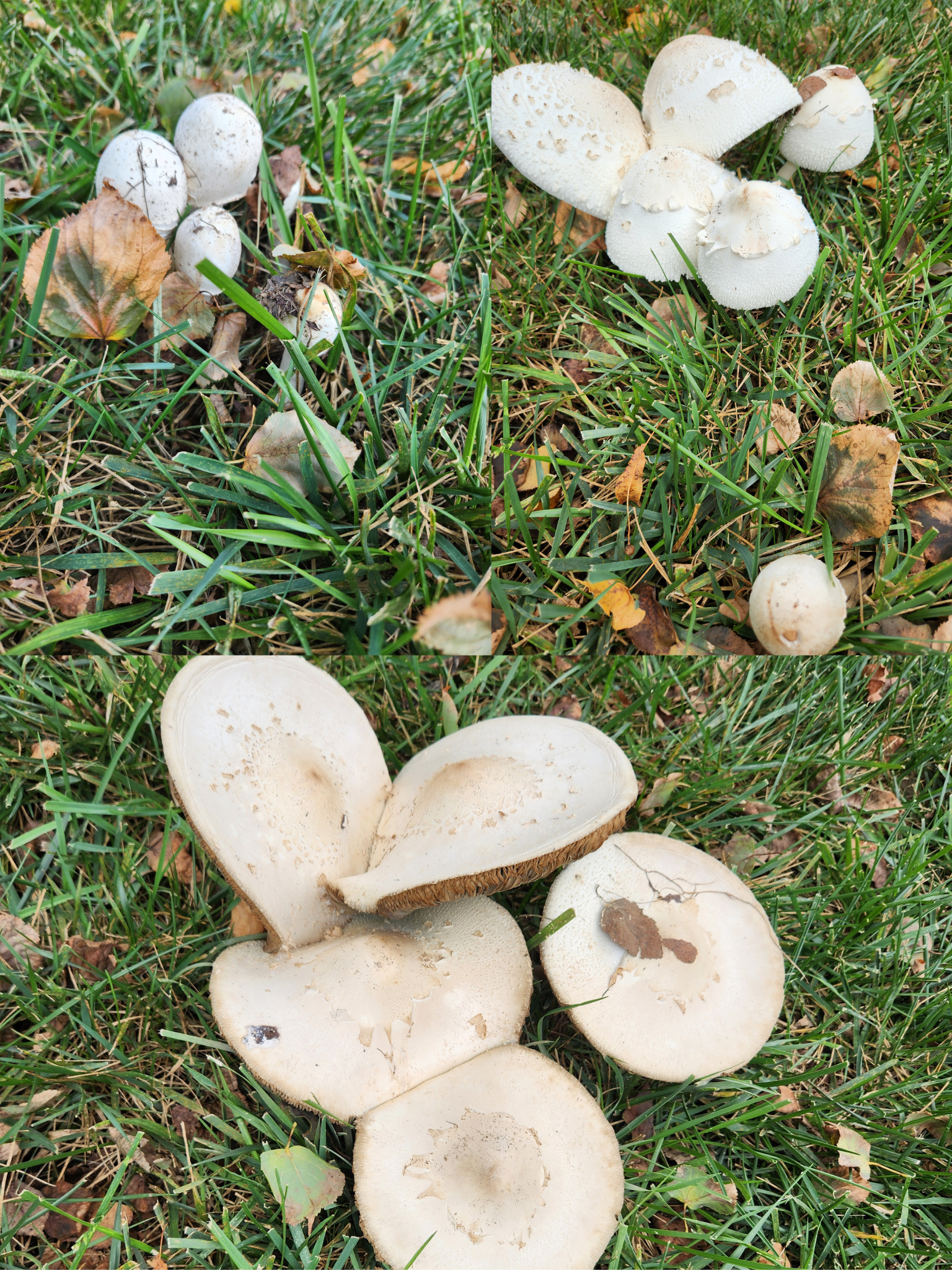
Whimsy is one of those things that by its very nature is unpredictable. We’ll call it a wildcard. My favorite bit of whimsy is the appearance of mushrooms. Here’s the lifecycle of a clutch of mushrooms I found on my walk:
It’s Blue Fairy Time
The appearance of the Blue Fairy usually means change.
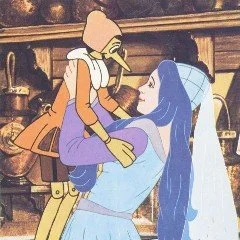
In the original story of Pinocchio, the Blue Fairy is the one who brings transformation. Actually, in the original story she was called the Fairy with Turquoise Hair for obvious reasons, but the Disney version just gave her a blue dress.
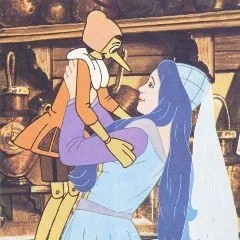
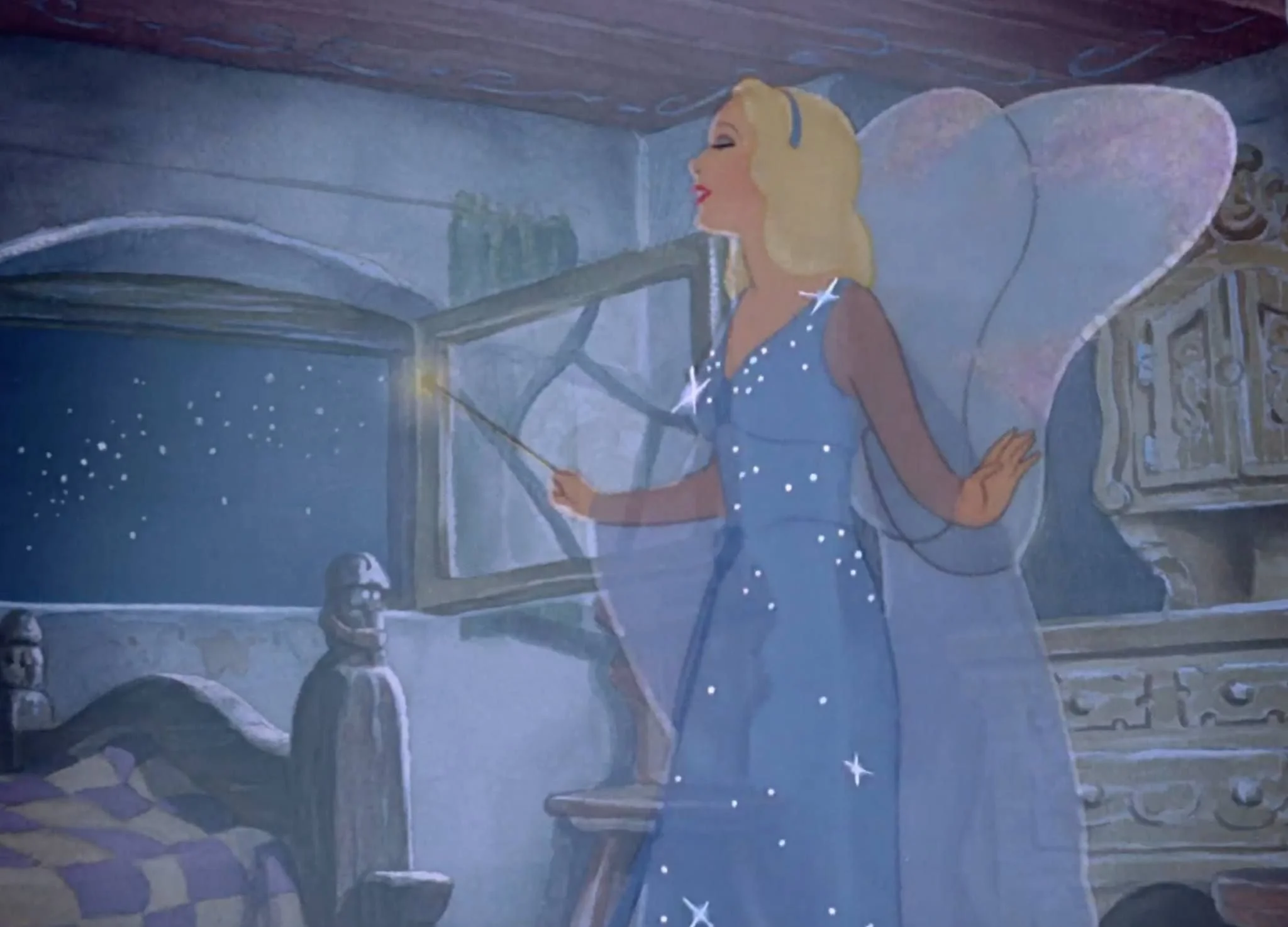
A downgrade, in my opinion. Who doesn’t want a fairy with turquoise hair in their corner?
A tangent for another day.
More importantly, every time Pinocchio encountered La Fata dei Capelli Turchini, he became something new or was turned from an unfortunate metamorphosis. For example, when he’s near death she offers him life-saving medicine, which causes nose growth when he lies. When it inevitably does, she summons woodpeckers to get his nose back down to size.
Like most fairy encounters, the results can be mixed.
The only constant with this particular fairy is that she means change is coming. This is no different. I am working on quite a few new writing projects and decided to make it even more hectic by updating my website and blog.
From now on you can find The Fairytale Feminista and Books by I.L. Cruz in one place. I hope all my readers follow me on this new adventure with brand new posts, exciting, original stories and a monthly newsletter for subscribers!
See you there!
A Fairy Godmother's Inner Life
When I first saw the Disney version of Cinderella, I was more interested in the Fairy Godmother than the girl who called her.
Let me quickly say, I have nothing against Cinderella. I know there’s a strong campaign out there against fairy tales in general because the romances are problematic. I think of them as more allegorical instead of aspirational. It’s how I’ve been able to write a blog called Fairytale Feminista without feeling my feminism is in any way questionable.
When I first saw the Disney version of Cinderella, I was more interested in the Fairy Godmother than the girl who called her.
Let me quickly say, I have nothing against Cinderella. I know there’s a strong campaign out there against fairy tales in general because the romances are problematic. I think of them as more allegorical instead of aspirational. It’s how I’ve been able to write a blog called Fairytale Feminista without feeling my feminism is in any way questionable.
To return to the purpose of this post, I wanted to know what happened to the Fairy Godmother (I’m capitalizing her title because she didn’t have a name) after she sent Cinderella off to the ball. Or what about the three fairies that kept Aurora, the Sleeping Beauty, safe in the forest for all those years? Or the old man in the Golden Goose, for that matter, who told the Simpleton where to find his prize?
Photo by Cibele Bergamim on Pexels.com
We never learn more about the helpers in fairy tales. Whether the stories give them credit or not, the helpers are the reason many protagonists are able to realize their dreams. And yet we see them come into the story and just as quickly retreat from it. Movies and books seem obsessed with the inner workings of the villain. Where’s the interest in the secondary or tertiary characters who move the story?
Who would you like to see from fairy tales turned into a story? Are there any you can recommend?
In the meantime, they say you should write the book you think is missing from the shelves. Stay tuned!
Write What You'll Never Know
I’m sure you’ve heard the saying, “Write what you know.” Few people interpret that correctly. Especially if what you write is speculative fiction. I’ve never moved through a realm using mirrors. I don’t have the ability to summon up spirits. And believe it or not, becoming a monarch of any kingdom, magical or otherwise, is beyond my lived experience. And yet, these are all things I’ve written about in my series and in short stories.
I’m sure you’ve heard the saying, “Write what you know.” Few people interpret that correctly. Especially if what you write is speculative fiction. I’ve never moved through a realm using mirrors. I don’t have the ability to summon up spirits. And believe it or not, becoming a monarch of any kingdom, magical or otherwise, is beyond my lived experience. And yet, these are all things I’ve written about in my series and in short stories.
“Write what you know” really means, learn. You want to write about an astronaut, learn about astrophysics. A medical thriller? Better find some info about medicine. What if you write fantasy or sci-fi?
Some writers of speculative fiction take the tack of answering any sticky questions by throwing magic at it and some do it well. Some don’t. I prefer (and I know this will sound counterintuitive) to make my magic as realistic as possible. Why? Because
I like to think we’re standing on the hairy edge of seeing all the magic, like stories about being whisked to Faery and as terrifying as that sounds, I’d like to make it happen
The realer it sounds, the more realistic the imaginary world will feel.
This, however, means I need to make some decisions about my story and “research the periphery.” What do I mean by that? Whatever surrounds your magic should sound as plausible as possible or at least have an explanation for the fantastical. For example, one of my projects involves a dragon shifter. This is not a new concept, but I’ve had issues with regular sized people suddenly growing to colossal proportions.
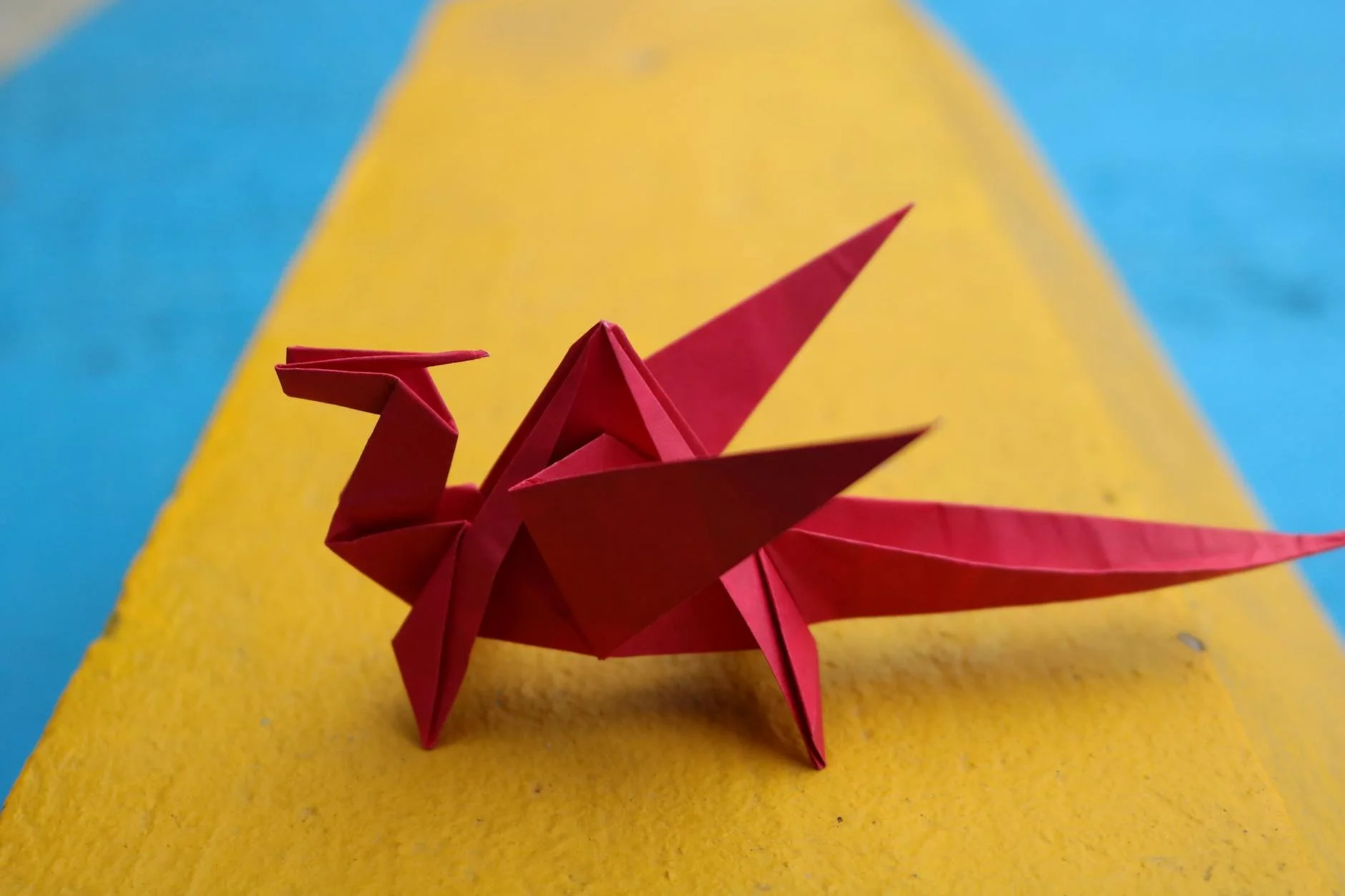
Photo by Luis Medina Diseu00f1o on Pexels.com
Where does all that mass come from? Where does it go?
I know plenty of people who are fine with this phenomenon and say, “It’s magic” but I don’t like that answer. It’s like an itch inside my brain.
Instead, I figured out how my character carries extra mass both sub-dermally and skeletally. It’s a small thing, but it made me feel better about the process of shifting. It may never make it into the story, but I know and sometimes, it’s enough.
How about you? Do you like your magic based in reality? Can you “go with the flow”?
Fairy Tales for All
I came to an odd and slightly disturbing realization the other day. I haven’t read any books written by men in years. This was not intentionally done. But it did get me thinking about the type of books I read and whether it’s become something niche. I read fantasy—all kinds, historical fiction, and mystery when I need something quick and dirty (that has nothing to do with spice levels, BTW). And yet for more than a few years, none of those books were written by men.
I came to an odd and slightly disturbing realization the other day. I haven’t read any books written by men in years. This was not intentionally done. But it did get me thinking about the type of books I read and whether it’s become something niche. I read fantasy—all kinds, historical fiction, and mystery when I need something quick and dirty (that has nothing to do with spice levels, BTW). And yet for more than a few years, none of those books were written by men.
I admit, I’ve made an effort to read indie authors and they are predominately women. There tends to be at least a romantic subplot and, unsurprisingly, quite a few have a fairy tale bent.

Is that the reason?
It’s a long-held belief that fairy tales are generally the domain of women and girls. Recently, writers have made an effort to make them accessible to all women and girls, where in the past they were clearly dominated by a young European aesthetic. Now they encompass various ages, ethnicities, races, body types—but what about the guys?
I read a lot of fairy tale retellings, and the audience is clearly female. Why? Is there something inherently feminine about fairy tales? The protagonists are both male and female. Jack and the Beanstalk, The Valiant Tailor and The Golden Goose all have male leads. Some, like Beauty and the Beast, have dual points of view. And superhero stories, long considered the purview of men, are just fairy tales with more fighting. So, why the discrepancy?
I don’t have an answer for any of it, but I hope you do. Any recommendations for fairy tale retellings written by men?
Have you noticed any unintentional patterns in your reading?
Rebuilding Year
Let me start by saying I am, in no way, sporty. I did ballet as a kid, but that was quickly eclipsed by more sedentary pursuits like piano, reading, and the like. However, I know enough about sports to use the above phrase.
Let me start by saying I am, in no way, sporty. I did ballet as a kid, but that was quickly eclipsed by more sedentary pursuits like piano, reading, and the like. However, I know enough about sports to use the above phrase.

In 2024, I finished my series, The Enchanted Path. That I can say I wrote and published a series still blows my mind, by the way. I hope it always does. But when I finished I needed time to think about my next move. In sports, when a team or an individual athlete goes through something big or course corrects, they spend (ideally) a year getting themselves to where they need to be physically and, I assume, mentally. I consider ending a series a big thing. 2025 was my rebuilding year.
I looked through old project I held off on in favor of the series. I had an unexpected new project crop out of a sleepless night. I even tabled a project I realized wasn’t ready to explore. I also took the bold step of working on 3 projects at the same time, writing veteran that I am (she says with a nervous laugh)!

So, 2026 will (fingers-crossed) bring the results of my rebuilding year.
Firstly, a story you may have already been introduced to.
Second, a trilogy with a subject near and dear to me that required unorthodox research.
And the last—she’s special. It required copious notes just to get the rough draft started. A series I hope will be with me as long, if not longer, that my last.
Other changes are in the air, but more on that in later posts.
Do you think writers should have a rebuilding year? Should we have a name for it?
Happy Three Kings Day! ¡Feliz dia de los Reyes para mis hermanas Latinas!
Advent Story Train
Welcome to the Advent Calendar Story Train, where you can read through 24 stories under this year's theme, Lost.
Blind Snow
He shuffled the deck of cards and pushed it across the table. A line of rime followed in its path sparkling in the low lamplight. His resemblance to the Claus was remarkable. Same twinkle in his eye, same flush of scarlet in his cheeks. The only difference was the chin. Where the Claus had a full beard of tumbling curls, his cousin, Frost, was clean-shaven. The cut of his jawline as sharp as his name.
Welcome to the Advent Calendar Story Train, where you can read through 24 stories under this year's theme, Lost.
Blind Snow
He shuffled the deck of cards and pushed it across the table. A line of rime followed in its path sparkling in the low lamplight. His resemblance to the Claus was remarkable. Same twinkle in his eye, same flush of scarlet in his cheeks. The only difference was the chin. Where the Claus had a full beard of tumbling curls, his cousin, Frost, was clean-shaven. The cut of his jawline as sharp as his name.
“Deal,” he said, his eyes a dare.
“One more hand,” Sanna agreed. Outside, a drunk was slurring his way through Silent Night. Badly. Jagged ice crystals reached across the windowpanes, obscuring the singer. She nodded. Another game was at least a way to pass the time. More importantly, it was a way to keep her nerve with the Snow King.
Sanna distributed the cards slowly, her eyes fixed to the pattern on their back. Initially, she hadn’t noticed the picture was falling snowflakes on an ashen field. As she sped up, the flakes appeared to move. After she handed out the sixth card for each of them, she rubbed the tips of her fingers, oddly numb.
“What are the stakes?” asked Frost, casually. Too casually. Sanna looked up, her eyes narrowed. He hadn’t picked up his cards yet. The air around him seemed to shift, shimmer. “Or it can be a friendly game.”
“I didn’t know you played friendly games,” she replied, stiffly. Her feet were cold. She’d discarded strappy heels hours ago in favor of bare feet on the hardwood. The human world was no place for a workshop elf. The footwear alone was enough to drive her to their current deal. They were red, a festive shade for the season and matched the cocktail dress with the distinct insignia that had gotten her spotted by Frost in the first place.
A calculated risk.
He picked up his cards and spread them his hand. She did the same, a snapping sound issuing from them like a lady’s fan unfurled on a hot day. Frost winced at the sound. It gave Sanna perverse pleasure to make him uncomfortable. She chuckled. Frost’s eyes narrowed in response, but he covered the slip by scanning the cards in his hand.
“Let’s say, a prize,” he replied, eyes still on his cards.
“What kind of prize? I already promised you five seasons at the ice factory just to make my plea,” she bit out. Not that she’d known the price.
“Blind Snow,” he said, amusement teasing the corners of his lips. She frowned and put the cards down, sharply.
“Spell it out. I’ve recently learned I prefer to know the terms before I commit to anything,” she said, hot tears threatening. Her choice had been made a year ago when she’d gotten lost during the Christmas run. When she’d missed the final call for the sleigh. And now she sat across from the only being who could contact the Claus and make him aware of her plight.
He sighed and lowered his cards as though setting down a heavy burden. The temperature of the room dipped dramatically, causing Sanna to shiver.
“That’s not how Blind Snow works,” he began. Sanna crossed her arms. “Winner gets an unnamed favor. Nothing untoward or against the laws of our realm. Nothing outside our ability to bestow.” The twinkle in his eye took on a roguish gleam. It wasn’t unattractive. Under different circumstances she may have given in to the unexpected flutter in her stomach. But she knew the rumors. It was well known that the Snow King only searched for lovers in the human realm. They came willingly—eagerly even—but never lasted long in a world made of ice. Then they returned never to be bothered again. Unless they called for him with the insignia she’d embroidered, discreetly, on her dress. Once he’d realized she was an elf needing his help, his interest had cooled, and the deal had been struck. A deal she hadn’t realized she’d made.
Sanna looked at the clock. A pale imitation to what they made at the workshop. Everything here seemed pale compared to the Northern Realms. The metal hands moved silently, but she felt the tick of every second beneath her skin. Unlike his cousin, the Claus could only come once a year. She was running out of time and the thought of another year lost in this world made her heart ache. Here, it was cold in a way that it never was at home. She had to get back.
11:45 pm
“So, no asking to take your throne?” she asked, flippantly.
“You can try.” He said it and she thought she glimpsed the words in the curls of his icy breath. That one breath held ache and hope and something else. It reflected every exhale of her lost year.
Not just lost. Trapped.
It never occurred to Sanna that Frost, the Snow King, felt just as lost and trapped as she did here as he did in his cold kingdom. Why else would he seek out humans that burned with the warmth of a sun that bit harder than the gnawing chill? She didn’t want to agree, but she wasn’t unmoved by the slip of his cool façade. Almost. Almost, she reached out and touched his hand, said she understood.
Almost.
Instead, she swallowed back her absolution and reshuffled the remaining cards in the deck reinserting the emperors.
“Blind Snow,” she said as the cards thrummed through her deft fingers. She slammed the pile down and smiled a predatory smile when he jumped in his seat. No matter what, she was going home.
They played in silence; Sanna because she had nothing to say and Frost because he didn’t want to miss a trick. They both knew that she was the superior player, but he had inhuman luck.
She kept her face passive and Frost did the same. She split her glances between her hand, which contained the possibility of two high snowfalls and his eyes, now a turbulent blue.
Outside, the drunk’s song had switched to Here Comes Santa Claus and Sanna wondered if he was part of a taunt. With his hiccups and slurring, the song sounded minor. The wind picked up outside, the windowpanes shook.
11:55 pm
“He’s early,” she said, a seed of hope blooming in her chest. Frost nodded, eyes still on the cards. Lights flickered. He pulled a card from the deck.
An emperor card. Diamonds, glittering like snowfall. Appropriate. He’d won. He always did. No one gambled like someone who had nothing to lose.
Seconds later, the Claus descended the chimney.
He was dressed for the sleigh. She couldn’t help the bittersweet smile.
Lousy timing.
Already she felt the nip of Frost as he rose from his seat. The Claus frowned in his direction.
A locket in the shape of a snowflake dangled from Frost’s fingers. When he placed it over her head the sudden chill momentarily stole her breath. She knew it had been captured in the locket. Her pledge. For what, she still didn’t know. He bent and placed a kiss on her cheek, the warmth of his lips startling.
“Congratulations,” said the Claus, but more as a question. A silent communication passed between the cousins, leaving Sanna lost in the exchange.
“Thank you, cousin,” Frost replied. “I believe you already know my new queen.”
Sanna grabbed the deck and held them tight. Blind Snow, indeed.
For now, she thought.
Thank you for reading today’s story. The next story will be available to read sometime on the 24th December, titled “Missing In Action". This link will be active tomorrow when the post goes live.
If you missed yesterday’s you can go and read it here.
Food & Fairy Tales
With Thanksgiving just around the corner, I started to think about the relationship of food and fairy tales. Just a cursory look is a mixed bag. Food is a weapon, a threat, transportation, or an opportunity to change your life, just to name a few.
In Snow White, the evil queen’s last-ditch effort to rid herself of her stepdaughter is an apple. A poisoned apple. Hansel and Gretel is probably the scariest of the food references. After being abandoned by their father and mother, they come to a home made of candy and gingerbread only to be trapped by the witch inside who eats children!
With Thanksgiving just around the corner, I started to think about the relationship of food and fairy tales. Just a cursory look is a mixed bag. Food is a weapon, a threat, transportation, or an opportunity to change your life, just to name a few.
In Snow White, the evil queen’s last-ditch effort to rid herself of her stepdaughter is an apple. A poisoned apple. Hansel and Gretel is probably the scariest of the food references. After being abandoned by their father and mother, they come to a home made of candy and gingerbread only to be trapped by the witch inside who eats children!

Cinderella needed a way to get to the prince’s ball and her fairy godmother created a carriage from a golden pumpkin. She also makes footmen and coachmen from various crawling animals. (Who knew there were lizards in France?) The Golden Goose never would have happened if Dummling (the youngest son) hadn’t shared his burnt biscuit and soured ale with a stranger, who used magic to improve the meal and find a gold egg laying goose for the generous young man.

So what do we learn about food in fairy tales? Strangers offering food are suspect, but strangers willing to share your food might be magical. Gourds aren’t just for pie or cornucopias. And never, ever, eat someone’s house without expecting a hefty bill. Don’t know if these are rules to live by, but they’re a good starting point.
Happy Thanksgiving!

New Project (Old Fairy Tale, New Tricks)
Sometimes I think about how it must have been to be Cinderella. Not the evil step-family and abuse part. Afterward. She met a prince. He married her and brought her back to his palace.
Then what?
It must have been an uncomfortable transition. She went from being a slave to a princess. Did she worry she wasn’t up for the challenge? Did she fall into familiar patterns and start mopping the floor or scouring pots with the scullery maid?
Sometimes I think about how it must have been to be Cinderella. Not the evil step-family and abuse part. Afterward. She met a prince. He married her and brought her back to his palace.
Then what?
It must have been an uncomfortable transition. She went from being a slave to a princess. Did she worry she wasn’t up for the challenge? Did she fall into familiar patterns and start mopping the floor or scouring pots with the scullery maid?
Did she ever take back her original name?
What about the servants? Did they treat her well or did they whisper behind her back that she wasn’t worthy of the role? Help her ease in or play mean tricks?
And she wasn’t the only one. How did Snow White, the Valiant Tailor, or even the boy with the golden goose?
I think about these things when I’m trying something new. A little over a year ago I published the last installment of my Enchanted Path series and since then I’ve worked on 3 different projects to release at least one or two <fingers-crossed> sometime next year. While all are in the fantasy genre, they’re in new subgenres—untried, untested.
I know the correlation isn’t immediately obvious, but each new story feels like a new life as an author. Will it work out? Is this the one that makes a breakthrough? Or will the metaphorical servants put me in my place? That sounds melodramatic, but it makes it no less true.

Fairy tales teach us, among other things, that taking a risk offers the chance at a happily ever after. So, I continue to work on my new ideas.
How about you? Anything new as the year comes to a close?
Reruns and other security blankets
I like reruns. I happily rewatch TV shows and movies all the time. I even use reruns as background noise when I work on my editing. I find them comforting and there’s something to be said for watching a thing, while not quite watching and knowing exactly where it’s going.
And yet, I feel bad when I reread books. I have a very long To Be Read pile waiting for me. I have editing (did I mention that?) that I should get done. I also have other responsibilities. Do I have time for stories I’ve already explored?
I like reruns. I happily rewatch TV shows and movies all the time. I even use reruns as background noise when I work on my editing. I find them comforting and there’s something to be said for watching a thing, while not quite watching and knowing exactly where it’s going.
And yet, I feel bad when I reread books. I have a very long To Be Read pile waiting for me. I have editing (did I mention that?) that I should get done. I also have other responsibilities. Do I have time for stories I’ve already explored?

Rereading books is like comfort food. It’s comforting because it’s comfortable and known. There are times, and especially when times are uncertain, when all you want is certainty. A reread book is that—certainty. And I never feel bad rewatching something on Netflix despite having a long watch list.
Do you reread books? Any in particular?
Summer Shorts #6: The Faery Door
Tales about fairies warn us not to walk through strange doors, but the protagonists do, either unwittingly or out of necessity. The doors are found deep in forests or hidden in caves and look intriguing. I love an interesting door as I’ve mentioned before and I wanted to put a few more I’ve come across this year.
Tales about fairies warn us not to walk through strange doors, but the protagonists do, either unwittingly or out of necessity. The doors are found deep in forests or hidden in caves and look intriguing. I love an interesting door as I’ve mentioned before and I wanted to put a few more I’ve come across this year.


What’s your idea of random beauty?
Summer Short #5: Seeking Magic
In most fairy tales, the main character is never looking for magic. It tends to find them. The boy who gets the golden goose just wanted to bring wood back to his family. Cinderella didn’t call for a fairy godmother. Jack had to sell a cow. It’s something you stumble upon.
Well, that’s all well and good, but I’ve always been better at being proactive. This is what I think of as magic:
In most fairy tales, the main character is never looking for magic. It tends to find them. The boy who gets the golden goose just wanted to bring wood back to his family. Cinderella didn’t call for a fairy godmother. Jack had to sell a cow. It’s something you stumble upon.
Well, that’s all well and good, but I’ve always been better at being proactive. This is what I think of as magic:


Summer Shorts #4: Humpty Dumpty is not an egg
Here’s a random thought: why do we think Humpty Dumpty is an egg man? If you just read the words, he could be anything or anyone that falls from a great height and then can’t be fixed. In fact, the identity of the unfortunate character has been discussed since it was first written. For some, it was posed as a riddle instead of a poem. Another possibility is that Humpty Dumpty was a drink of brandy boiled with ale. In which case, couldn’t Humpty Dumpty be a bottle of liquor?
Here’s a random thought: why do we think Humpty Dumpty is an egg man? If you just read the words, he could be anything or anyone that falls from a great height and then can’t be fixed. In fact, the identity of the unfortunate character has been discussed since it was first written. For some, it was posed as a riddle instead of a poem. Another possibility is that Humpty Dumpty was a drink of brandy boiled with ale. In which case, couldn’t Humpty Dumpty be a bottle of liquor?

What do you think Humpty Dumpty could be?
Summer Short #3: The Pied Piper of Marketing
Marketing is something I find daunting and frankly a little boring. You spend time, effort, and sometimes money and then send it out into the world without knowing if it will make a dent. In order to get noticed you have to be either consistent or splashy. The part where I think it’s boring makes consistency tricky and being splashy is just as tricky when it tends to be outrageous.
Marketing is something I find daunting and frankly a little boring. You spend time, effort, and sometimes money and then send it out into the world without knowing if it will make a dent. In order to get noticed you have to be either consistent or splashy. The part where I think it’s boring makes consistency tricky and being splashy is just as tricky when it tends to be outrageous.
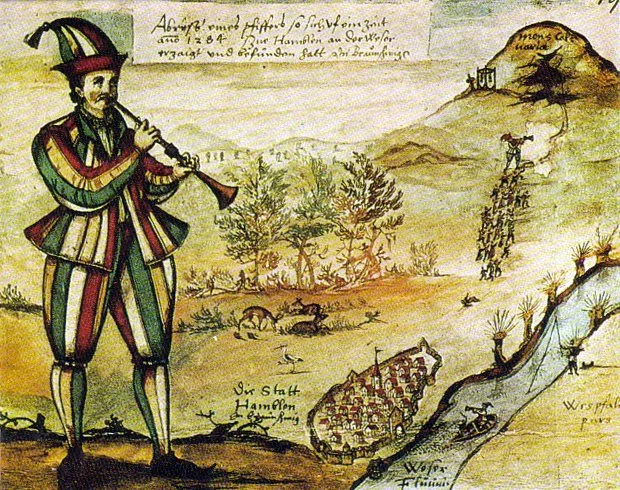
The oldest picture of the Pied Piper copied from the glass window of the Market Church in Hameln/Hamelin Germany (c.1300-1633).
It makes me think of the Pied Piper. His name comes from his clothing—pied means multicolored—and that’s how we know him. That and his magic pipe, which can lead rats and children anywhere he chooses. But I wonder, was the outfit just a marketing ploy to stand out from all the other rat catchers? He did get the job.
Finding my version of the Pied Piper for my books is my current challenge. Any ideas?
Summer Short #2: Jump Back, Move Forward
Last night was the celebration of San Juan, and in Puerto Rico people head to the beach and jump backwards into the ocean at midnight (or any body of water) for good luck and to wash off any negativity. As a kid, I liked the idea because it meant staying up late when it usually wasn’t allowed. Now, I like the idea of being able to wash away the bad parts of the year and bring in the good. Sort of like a New Year’s do-over. It started out pagan then became Christian, but I think of it as cultural. I’d overlooked it for some years, but this year seemed like a great time to bring it back. I can’t trek to the ocean at midnight where I am, but I can get rid of the old and welcome some new. And another way to mark the middle of the year.
Last night was the celebration of San Juan, and in Puerto Rico people head to the beach and jump backwards into the ocean at midnight (or any body of water) for good luck and to wash off any negativity. As a kid, I liked the idea because it meant staying up late when it usually wasn’t allowed. Now, I like the idea of being able to wash away the bad parts of the year and bring in the good. Sort of like a New Year’s do-over. It started out pagan then became Christian, but I think of it as cultural. I’d overlooked it for some years, but this year seemed like a great time to bring it back. I can’t trek to the ocean at midnight where I am, but I can get rid of the old and welcome some new. And another way to mark the middle of the year.
Any middle year plans?

Summer Shorts #1: Mary, Mary Quite Contrary How do your Stories Grow
Late last year I finished my 4 book series and now I’ve been working on a new project ever since. Actually, I’m working on 3 projects at the same time. Because of that, I conceived of Summer Shorts—posts that are short and sweet (which is what I always hope summer will be, but in my area it tends to drag on).
Late last year I finished my 4 book series and now I’ve been working on a new project ever since. Actually, I’m working on 3 projects at the same time. Because of that, I conceived of Summer Shorts—posts that are short and sweet (which is what I always hope summer will be, but in my area it tends to drag on).
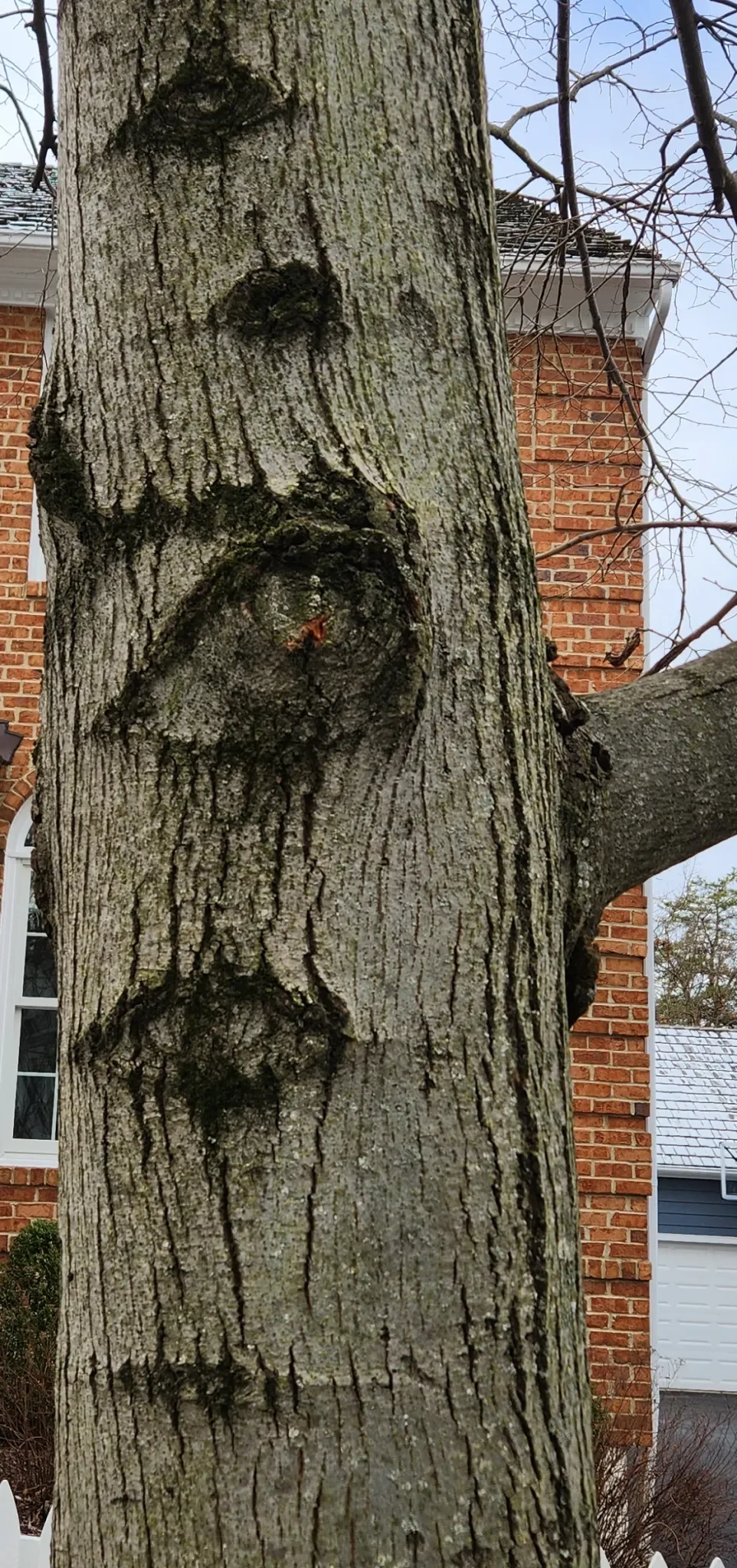
I like the idea of Mary's garden being full of the random. It reminds me of writing. People tend to ask where ideas come from and I want to say silver bells and cockle shells and marigolds all in a row. It wouldn't be far from the truth. An item that seems out of place. A coincidence that bears noting. A tree that has eyes. They all lead to wonder, which leads to a story.
Are you a writer? Are your ideas set or are they more ethereal?
To Write or Not to Write?
When I finally decided that I was a writer, I read every piece of writerly advice I could get my hands on. Overwhelmingly, writers, professional writers, advised writing every day. For hours. And while I wished that advice worked for me, I decided on a different approach.
Don’t write every day. Or if you do, don’t make it all about “The Project”.
When I finally decided that I was a writer, I read every piece of writerly advice I could get my hands on. Overwhelmingly, writers, professional writers, advised writing every day. For hours. And while I wished that advice worked for me, I decided on a different approach.
Don’t write every day. Or if you do, don’t make it all about “The Project”.
There are days when I’m just itching to write (I blame my many notebooks and addiction to pretty pens), but can’t come up with a single idea for my current novel.

First, don’t panic—it worked for Douglas Adams, it can work for you.
Next, get a “junk journal” which hopefully isn’t ugly—something fun where you can get words on a page that don’t have to mean anything. (Sometimes I use it to write down the lyrics of whatever earworm I woke up with and can’t shake).
Last, give yourself credit for putting pen to paper. That intentional act is a kind of victory considering so much of what we write on a daily basis is disposable and ephemeral—i.e. texting, quick jot emails, or clicking a heart to convey delight.
Too often guilt and shame either keep writers coming back to a page that should be set aside, or conversely away from the page because nothing “worthwhile” is coming to mind.
So my advice—don’t write every day. Doodle. Ramble. On paper. With a pen. No erasing, only cross-outs. You’ll likely surprise yourself with fresh ideas for your Project.
The First Story
While we have no concrete evidence, it’s safe to assume that the first story told was a warning from one homo sapien to another.
“Hey, in a time before now, I went in that direction with a hunting party and something with teeth and claws ate half of them. Be careful.”
While we have no concrete evidence, it’s safe to assume that the first story told was a warning from one homo sapien to another.
“Hey, in a time before now, I went in that direction with a hunting party and something with teeth and claws ate half of them. Be careful.”
But we are a race of curious adventurers. We’d have to be considering we saw things like lobsters, potatoes and prickly pears and said, “Let’s eat it.” So, of course whoever heard that story went in that very direction and confronted the clawed, toothed animal wanting to know what it was and if he, or she, could have a better outcome. We don’t know the end of that story, but we’re here so more than one somebody survived and continued the race.
Then what about fairy tales? More than a few are warning stories—be careful in the woods, stranger danger—but just as many, if not more, are about behavior. Would Cinderella have gotten a fairy godmother assist if she’d been pill? Could Jack have gotten away with the golden goose and magic harp if he hadn’t done a good turn for a stranger and had a hungry mother at home?
Image by Gordon Johnson from Pixabay
Fairy tales warn and assure us that virtuous behavior will, eventually, be rewarded. It also gives hope to people in dire circumstances that anyone can change their fortunes (and maybe become royalty). It’s an idea that gives me comfort when the world isn’t friendly.
Modern Fairy Tale?
What makes a fairy tale modern? Does it have to be completely original? Is it a traditional story retold with modern sensibilities? Or is there a third option?
Original fairy tales are hard to come by, especially if you agree with the notion that only a set number of stories exist. There are days I believe that (like when I look at the movie landscape full of prequels, sequels and retellings). On good days I know there are new stories—or at least new to me. I haven’t read stories from all the cultures of the world and there are tons.
What makes a fairy tale modern? Does it have to be completely original? Is it a traditional story retold with modern sensibilities? Or is there a third option?
Original fairy tales are hard to come by, especially if you agree with the notion that only a set number of stories exist. There are days I believe that (like when I look at the movie landscape full of prequels, sequels and retellings). On good days I know there are new stories—or at least new to me. I haven’t read stories from all the cultures of the world and there are tons.
Retellings are very popular now. At least half the books in my TBR list are implicitly or explicitly retellings of well-known stories. I know Christmas just past, but my favorite retelling is any movie or TV show that uses A Christmas Carol as a framework.
My Top 3:
A Diva’s Christmas Carol: Love the Behind the Music as a stand-in for the Ghost of Christmas Yet to Come
A Mickey’s Christmas Carol: Great original song
A Muppets Christmas Carol: Piggy is my hero!
Honorable mention for Scrooged, but mostly for Carole Kane

I think a modern fairy tale is all those things—original, undiscovered, retooled and reformed by a deft author—and maybe something I still haven’t thought of yet.
Do you have a favorite modern fairy tale?
Does it Matter Where you Start?
Have you ever noticed that fairy tales don’t start with:
“Once upon a time a forlorn prince looked out his window and wondered if he’d ever find his true love…”
OR
“There was once a princess whose father decreed one day that her potential husband would be determined by a stranger’s ability to outwit a troublesome giant…”
Have you ever noticed that fairy tales don’t start with:
“Once upon a time a forlorn prince looked out his window and wondered if he’d ever find his true love…”
OR
“There was once a princess whose father decreed one day that her potential husband would be determined by a stranger’s ability to outwit a troublesome giant…”
Fairy tales are stories of the fantastical and nothing is more awe-inspiring than someone from lowly beginnings being given the keys to the castle—sometimes literally. They’re a come-up. Would Snow White be a fairy tale if she never left the castle? If Jack was the son of a successful merchant, would we root for him chopping down that beanstalk? I’m guessing not. Fairy tales need someone down on their luck to overcome impossible odds with a magical assist.

The notable exception is Red Riding Hood. Her circumstances are a complete unknown, but we can make assumptions about her background. She has enough money for a red cape—not cheap. Her mother has enough food to send extra to Red’s grandma. And said grandmother has her own place. But Red doesn’t get a prince or a castle. Does that mean it’s less a fairy tale and more a cautionary tale?
I suppose the question is can ordinariness be enough or do fairy tale characters have to be utterly wretched?

Never miss a new post
Subscribe to the Fairy Tale Feminista