
The Fairy Tale Feminista
Answering life’s questions one fairy tale at a time.
Choose Your Own Adventure?
Do you ever wonder why you write? A recent comment left on a previous post reminded me that most writers (mind you I haven't taken a poll) write because they looked for a particular story and didn't find it. The lack became so irksome that they decide to fill the void themselves with a story of their own making. It was the same with me. As much as fairy tales can leave me feeling unsettled, it's nothing to some of the modern stories I find about women. More often than not, women (or girls) don't go on adventures willingly. They're dragged along because they're the smartest one in the room or they're trailing some boy. And they're never Latina.I'll be honest, I say that last line with reluctance. It can be tiring banging the drum for an entire people because then you become the drag in the room reminding everyone to acknowledge your existence. Exhausting, isn't it? But I'd be a terrible protagonist in my own life if I didn't tackle the hard topics.It made me think about one of my favorite book series, Choose Your Own Adventure. At times it was like playing The Oregon Trail--all paths led to death (or dysentery). Nevertheless, it was so much fun to go back and pick a way to finish the story. Were you feeling dangerous? Cautious? Curious? You were the protagonist and so you chose what happened next.All those early female protagonists bothered me so much because they never chose their own adventures. They went from one situation to another because they were chosen. That's why I enjoy the new princesses (Hurray for Ralph Breaks the Internet!) so much--agency. Isn't that a great writer word? Becoming instrumental in the story of your own life. Worthy of the Logophile. Agency is the most important thing to a writer, especially if you were driven to write because you wanted to take control of a story and then share it. It's even more profound when you're a indie author.Anyone else choosing their own adventures in writing? Or any other creative endeavor?
Fairy tale Endings and a Passel of Princesses
Fairy tales like drama, specifically uncertainty. They fixate on main characters who often are in situations most of us would consider cruel and unusual and then give them over to situations that sound better, but just as unsure. Why are they okay with this and more importantly, why are we?Last weekend I saw Ralph Breaks the Internet and it was great. My favorite part was (no spoilers) the princesses. They were fierce and capable, and it makes me wonder why they even needed princes. Is that unfair?I’ll admit that I’ve made cynical comments after reading the “happily ever after”, but honestly, what does that look like for someone who was treated as a scullery or a man who spent who knows how long living in a pond as a frog. What if Prince Charming fell in love with the next girl who had an enchanted wardrobe? Is it really too much of a stretch to assume the selfish princess was still an oath-breaking egoist even though the frog became a prince? But I want to be kind. Or at least understanding. Fairy tales were made to teach. What better lesson can anyone learn than always be prepared for the unknown? I think we’re quick to dismiss princesses and fairy tale endings. What if we looked at it in another way. Leaving one bad situation for the possibility of a better one is brave especially if that new situation is the unknown.
The Witch
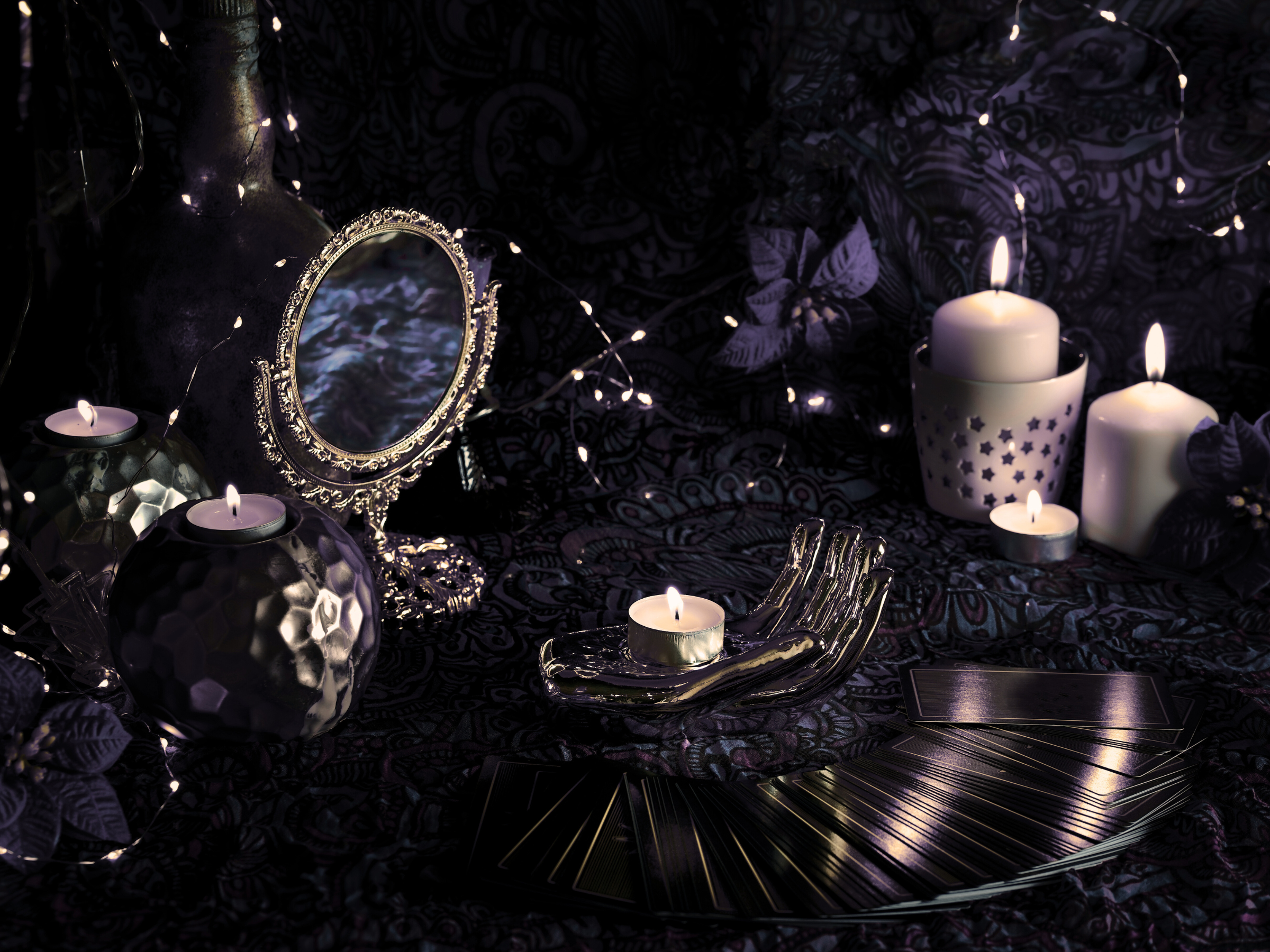
As a young girl, I wanted to be a witch. They were mystical and wise. People came to them for help. Most importantly, witches had magic. They could conjure spells, brew potions, and divine the future. In short, they effected real change with power, knowledge and will. Who wants to be a princess when that's available? According to fairy tales, everyone.Princess-hood is usually a desired outcome for most women in fairy tales. It usually allowed them to leave a difficult or abusive situation. Cinderella abandoned being a scullery. Snow White was saved from the creepy obsessions of her step mother. Sleeping Beauty got to leave the woods and wake her entire kingdom. In the latter two cases, they were born princesses, but it didn’t mean much until they found a prince. What if they wanted different things?The Evil queen never needed a man’s permission to exert her will.But we’re taught to root for the vulnerable princess (or scullery) and despise the witch. To be fair, witches who use their power to kill little girls who might be prettier than them are despicable. However, I try and look at it from their point of view. The world in which these women lived considered magic evil, especially in a woman. Her only acceptable power was perceived power, i.e. the power she could wield through her husband or other male figure. Historically speaking, the witch represented everything a patriarchal society feared—a woman with power over men and the natural world. So, if your only acceptable power is being pretty enough to convince men to follow your orders, is it any wonder a prettier, younger woman is a threat? She shouldn’t have killed the girl, but her fear was real.I’m an adult now and I’m still fascinated with witches--their mysteries and knowledge a source of endless study. They’re my go-to paranormal/fantasy read and my preferred heroine to write about usually has some supernatural abilities (as well as other strengths). Not only does it bring a little magic to the everyday, but it always reminds me of my power. And maybe a potion or two…


Never miss a new post
Subscribe to the Fairy Tale Feminista