
The Fairy Tale Feminista
Answering life’s questions one fairy tale at a time.
Are you a Good Witch or a Magical Mastermind?
Remember the part in the movie, The Wizard of Oz after the Wizard leaves Dorothy behind? Dorothy and her friends are distraught because they thought he was the only ticket out of town. And then Glinda shows up and tells Dorothy she had the power to go home all along and points to the ruby slippers. Dorothy clicks her heels, chants her, “There’s no place like home,” line and all’s well that ends well, right?
Remember the part in the movie, The Wizard of Oz after the Wizard leaves Dorothy behind? Dorothy and her friends are distraught because they thought he was the only ticket out of town. And then Glinda shows up and tells Dorothy she had the power to go home all along and points to the ruby slippers. Dorothy clicks her heels, chants her, “There’s no place like home,” line and all’s well that ends well, right?
As a child I thought it was sad that after ridding Oz of the last wicked witch, she chose to return to her colorless farm where her dog was still in danger and another twister was lying in wait. As an adult I saw something else. Glinda is Machiavelli in a pink dress.
Think about it. A girl drops from the sky out of nowhere and kills one of two wicked witches (and by the way, we don’t know what makes her wicked—Thank you Gregory Maguire for making me question everything!) freeing the munchkins from tyranny, maybe. You, the Good Witch of the North, arrives to find all the munchkins singing her praises. And then the other wicked witch shows up (this one admittedly seemed frightening) demanding answers and her sister’s shoes.
A plan forms in your head. For whatever reason, despite being a powerful witch who travels in magic bubbles, you’ve never been able to remove either wicked witch. Maybe it’s squeamishness about killing family or maybe that’s magic you can’t tap into. Either way, someone else has done it with little fuss. Maybe this girl can solve all your problems. So, you give her the shoes, earning her the enmity of West Witch and tell her that there’s an all-powerful wizard who can help get her home.
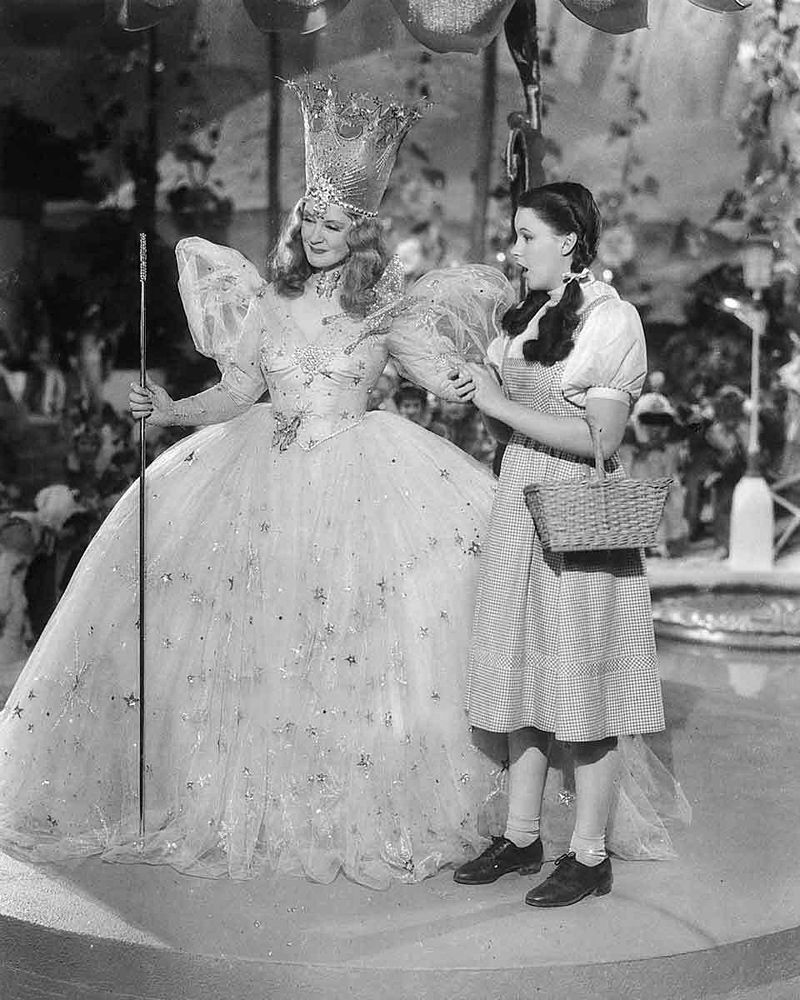
But if you’re a powerful witch in your own right, don’t you know that the wizard is a fraud? Of course you do, but the population having never seen a hot air balloon, has somehow deified him. Better to get this Dorothy girl to ask him for help and then discover the wizard is a fraud and reveal it to everyone—she doesn’t know anything about Oz politics. And if she’s already killed one witch, with the magical shoes she might kill another, right? It’s a gamble because what if she comes after you? Distraction.
You sprinkle the road (which, by the way explains why Glinda doesn’t just send her straight to the wizard in one of her bubbles) with misfits outside the power structure to help and even sober them up after the trippy poppy incident, but mostly you sit back. And it pays off. The wizard knew you sent the girl and gives her an impossible task of his own. A horrifying thought that some old man would send a child to retrieve a broom he had no use for. Anyway, she succeeds beyond your imaginings. The Wicked Witch of the West is dead (water, really?) and a breeze just happened to send the wizard off and away from Oz after he’d been outed (Does anyone really doubt Glinda made that man go?).
For your last bit of political maneuvering, you finally reveal that the girl can get home by clicking the heels (did that loosen them a touch?) and chanting about home. Who needs the savior of Oz sticking around? She clicks and chants and the shoes fall right off as she returns home. Now all Glinda has to worry about is that southern witch.
If you ask me, the real Wizard of Oz was Glinda.
Also Starring...A Secondary Fairy Tale Character
Fairy tale retellings has become its own sub-genre. We want to keep fairy tales in our lives but understand that the stories are problematic from a modern standpoint. We want agency, depth and inclusivity—a tall order for something written centuries ago. But we do our best, giving heroines backstories and pluck in the hopes of correcting anachronisms.But what about the other characters? Aren’t they just victims of the same outmoded storytelling? How many times have I read that secondary characters should be just as interesting as the protagonist?My curiosity started when I read Gregory Maguire’s Confessions of An Ugly Stepsister. They did treat Cinderella abominably, but they took their cues from their mother. And there were two of them—maybe it was a welcome change from sibling rivalry to direct any animosity at a picked on step-sister. As far as I know, it’s the only time a secondary character from a fairy tale was the star of a fairy tale retelling. What if we knew more about Jack’s mother before he climbed that beanstalk? Who wouldn’t want to know more about the dwarves that housed Snow White? And what about the mother and grandmother in Red Riding Hood?These are the rabbit holes my mind tumbles down when given free reign. Speaking of, what about that white rabbit? I like to think he orchestrated a coup against the tyrannical Queen of Hearts. My rather rambling point is retellings have only scratched the surface of possibilities.Who’s your favorite secondary character from a fairy tale? Have you read any retellings that have done that character justice?
Feminista's Reads-in-Progress
 You've heard it before: if you want to be a writer, be a reader first. Well, that's never been a problem for me! However, with all the unexpected marketing
 hassles work learning experiences I've been undergoing, it's taking me longer than usual to finish a book. But I have a few on the fire that I think anyone interested in fairy tale retellings: Fearless Girls, Wise Women & Beloved Sisters by Kathleen Ragan 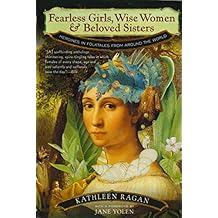 A round-the-world trip through fairy tales that focus on stories outside of the European canon and women who don't need saving. A must for Fairytale Feminista fans! The Woodcutter by Kate Danley
 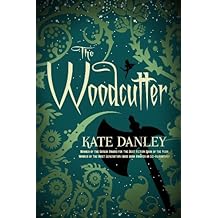 This is a bit of a departure for me in terms of format. I've been playing around with listening to books when taking walks--I don't read and walk as well as I used to--and this one is a perfect start! The narrator, Sarah Coomes, makes the story come to life in a way that reminds me of story time at the library when I was a kid. It combines fantasy, fairy tale retelling, and mystery to brilliant effect. After Alice by Gregory Maguire
 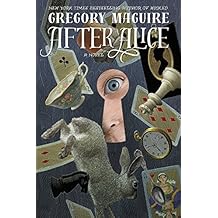 I've long been a fan of Gregory Maguire. Sometimes I love his stories and other times it's a slog. I haven't decided on this one yet--a new take on the story of Alice's Adventures in Wonderland through the eyes of her friend, Ada--but I really like the absurdist story of Alice. How about you, FF fans? Are there any Reads-in-Progress (RIPs, unfortunate, I know) that may appeal to fairy tale revisionists?


Never miss a new post
Subscribe to the Fairy Tale Feminista